Supreme Court Protects Advocate–Client Privilege and Professional Independence
31-10-2025
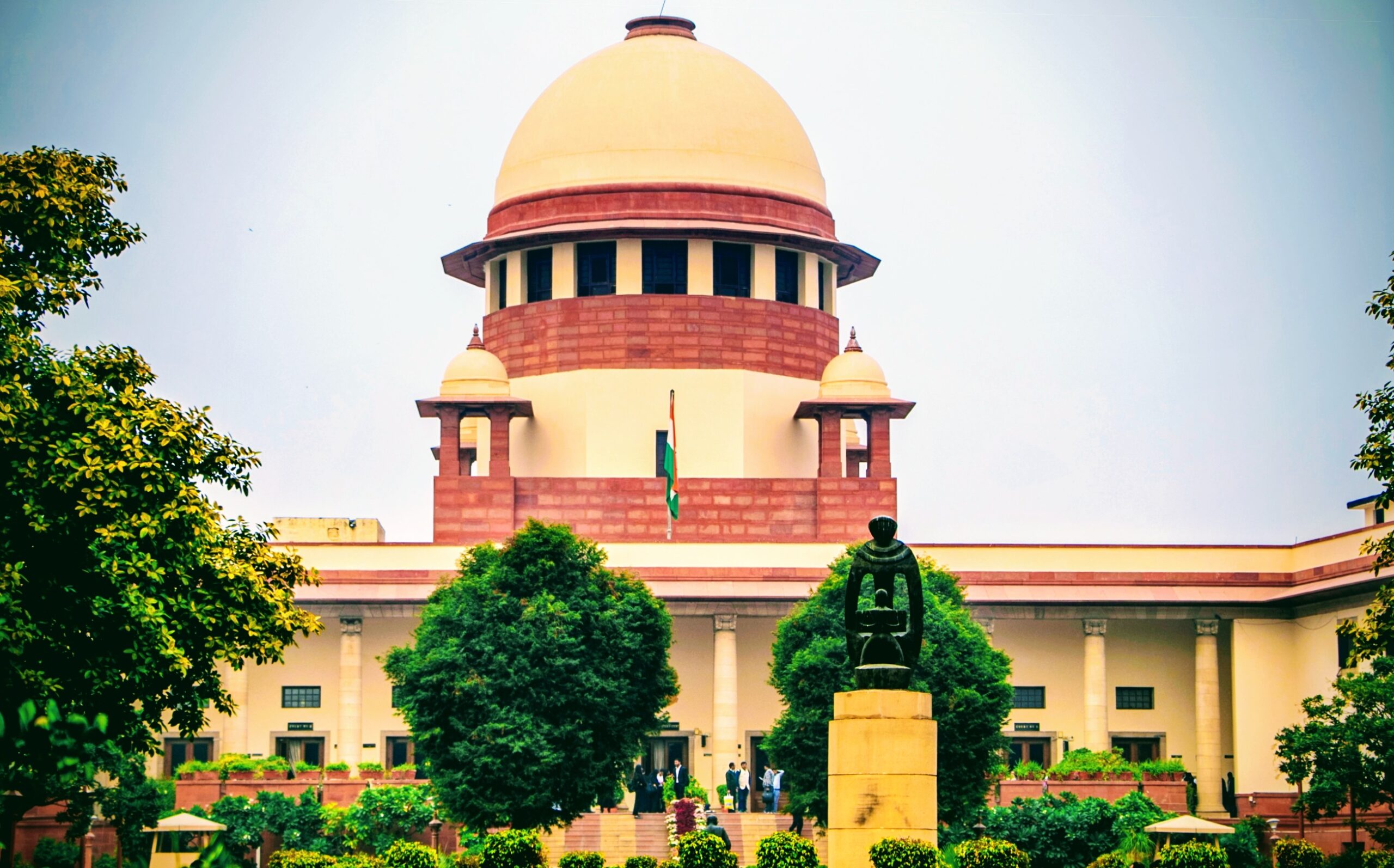
In a landmark judgment safeguarding the independence of the Bar, the Hon’ble Supreme Court of India has categorically ruled that investigating agencies cannot summon practising advocates for interrogation or disclosure of client communications, except under the limited exceptions provided under Section 132 of the Bharatiya Sakshya Adhiniyam, 2023 (BSA).
The decision, delivered in a Suo Motu Writ Petition (Criminal), responds to a growing trend where lawyers were being summoned by enforcement agencies like the Enforcement Directorate (ED) and the Central Bureau of Investigation (CBI) in matters concerning their clients.
The Hon’ble Court laid down a comprehensive set of mandatory safeguards governing the summoning of practising advocates:
1. No Summons to Advocates Representing Clients
No practising advocate shall be summoned or interrogated by investigating agencies for matters relating to their client representation, except in the circumstances expressly covered under Section 132 of the BSA — namely, when communications are made in furtherance of an illegal purpose or involve facts constituting a crime or fraud.
2. Prior Written Approval of Superior Officer Required
Even in such exceptional cases, prior written approval of a superior officer not below the rank of Superintendent of Police must be obtained.
The officer must record specific reasons justifying the necessity of issuing the summons.
3. Judicial Review of Summons
Any summons issued contrary to these directions will be open to judicial scrutiny and may be challenged by the concerned advocate or client before the competent court.
4. Protection of Digital Devices and Case Files
The Court emphasized that digital devices, case files, or documents in the possession of advocates cannot be seized, cloned, or examined without judicial supervision, in order to preserve the confidentiality of unrelated clients.
Purpose and Spirit of Section 132 BSA
Section 132 of the Bharatiya Sakshya Adhiniyam preserves the long-standing advocate–client privilege, akin to Section 126 of the Indian Evidence Act, 1872.
It ensures that legal advisers cannot be compelled to disclose communications made by their clients in the course of professional employment, except where such communications are made for an illegal purpose or involve facts showing the commission of a crime or fraud.
The Supreme Court’s judgment reaffirms this protection as a constitutional safeguard linked to the right to fair trial, legal representation, and professional autonomy.
Impact and Significance
This decision is expected to have a far-reaching impact on investigative practices and the functioning of the legal profession in India.
By mandating prior approval and limiting the circumstances under which lawyers may be summoned, the Court has ensured that advocates are not harassed or intimidated for representing their clients a cornerstone of justice delivery.
The ruling serves as a powerful reaffirmation of the sanctity of advocate–client privilege, bolstering confidence in the legal system and strengthening the Bar’s independence.
Key Takeaways
🔹 Investigating agencies cannot summon practising advocates except under Section 132 BSA.
🔹 Prior written approval of a superior officer is mandatory.
🔹 Client confidentiality and legal privilege remain inviolable.
🔹 Digital and documentary materials of advocates are protected from arbitrary seizure.
The Supreme Court’s proactive stance in this matter marks a historic moment for the Indian legal fraternity. By delineating clear procedural safeguards, the Court has drawn a firm line between legitimate investigation and professional interference — reinforcing that the advocate’s duty to the client is integral to the administration of justice.
Keywords:
Supreme Court judgment 2025, Bharatiya Sakshya Adhiniyam 2023, Section 132 BSA, advocate-client privilege, no summons to advocates, investigation agencies, ED, CBI, lawyers’ rights, judicial independence, legal profession
- Summary Judgment in Commercial Suits: A Powerful Tool Under Order XIII-A CPC
 2 May 2026 The introduction of Order XIII-A into the Code of Civil Procedure, 1908 through the Commercial Courts Act,…
 - Delhi High Court Convicts YouTuber for Criminal Contempt: Limits of Free Speech in Judicial Criticism
 In a significant ruling reinforcing the boundaries of free speech, the Delhi High Court has convicted a YouTuber for criminal…
 - Supreme Court Mandates Disclosure Norms in Bail Applications: A Step Towards Transparency in Bail JurisprudenceShivaji Rathore 27-04-2026 In a significant development aimed at enhancing transparency, uniformity, and fairness in bail adjudication, the Supreme Court…
- Discharge by Criminal Court Bars Administrative Action Under Air Force LawShivaji Rathore 17 April 2026 In a significant development in service jurisprudence under military law has clarified the limits of…
- Delhi High Court: Dried Leaves and Small Branches Not ‘Ganja’ Under NDPS Act; Bail GrantedShivaji Rathore 17 April 2026 The Delhi High Court has recently delivered a significant ruling clarifying the scope of the…