Court Holds That Time Gap Between Statement and Death Does Not Affect Its Admissibility Under Section 32 Evidence Act
07-Dec-2025
In a significant ruling, the Supreme Court has held that a victim’s statement cannot be discarded as a dying declaration merely because death was not imminent or because there was a time gap between the statement and the eventual death. The Court restored summons issued to the deceased woman’s in-laws in a shooting case, reiterating that the law under Section 32(1) of the Evidence Act does not require the declarant to be under expectation of death.
A Bench of Justices Sanjay Karol and N. Kotiswar Singh delivered this ruling while allowing an appeal filed by the victim’s brother. The deceased woman had initially named only her husband in her Section 161 CrPC statement, but in a later statement, she implicated her mother-in-law, father-in-law, and brother-in-law, alleging that they instigated her husband to shoot her. Despite this, charges were framed only against the husband.
During trial, the prosecution sought to summon the in-laws as additional accused under Section 319 CrPC, arguing that witness testimonies supported the later statement of the deceased. However, both the Trial Court and the High Court rejected this request, holding that there was no “strong and cogent evidence” and refusing to treat the victim’s statements as dying declarations.
The Supreme Court disagreed, holding that the High Court’s reasoning was incorrect and contrary to settled legal principles.
The Supreme Court on Thursday (December 4) delivered an important ruling concerning the admissibility and relevance of dying declarations and the scope of powers under Section 319 CrPC. The case involved a woman who was shot by her husband and later succumbed to injuries after nearly two months. Her brother, the appellant, had lodged the FIR seeking prosecution not only of the husband but also his parents and brother, alleging a larger conspiracy behind the shooting. During investigation, the police recorded the victim’s statement under Section 161 CrPC wherein she named only her husband as the shooter. However, in a later statement under the same provision, she specifically implicated her mother-in-law, father-in-law, and brother-in-law, alleging that they provoked her husband to shoot her. Despite these allegations, the investigating agency filed charge sheet only against the husband. As evidence unfolded during trial, the prosecution sought to invoke Section 319 CrPC to summon the in-laws based on materials emerging from witness examinations. The Trial Court, however, dismissed the application, holding that the standard of “strong and cogent evidence” was not met. The High Court affirmed this view, further observing that the victim’s Section 161 statements could not be treated as dying declarations as there was no medical certification, and because her death occurred two months after the recording of the statement.
The Supreme Court found this approach fundamentally flawed. Justice Sanjay Karol, writing for the Bench, held that the High Court had misunderstood the scope of Section 32(1) of the Evidence Act. The Court clarified that the law does not require death to be imminent at the time of making the statement, nor does it prescribe any rigid time limit between the statement and the death for it to qualify as a dying declaration. What is essential is that the statement must relate to the cause of death or the circumstances leading to the death.
The Court noted that the victim’s statements clearly pertained to the events that resulted in her fatal injuries. The Bench held that the High Court’s emphasis on time gap and absence of certification was misplaced, especially since Section 32 contains no such conditions. The Court further reiterated that at the stage of deciding a Section 319 application, the court is not required to test the credibility of the evidence or conduct a detailed analysis akin to a full trial. The threshold is only whether material has emerged during trial that indicates possible involvement of the proposed accused.
Consequently, the Supreme Court restored the summons to the in-laws, holding that the lower courts had erred in refusing to exercise jurisdiction vested in them under Section 319 CrPC.
Case Description
Cause Title: Neeraj Kumar @ Neeraj Yadav v. State of U.P. & Ors
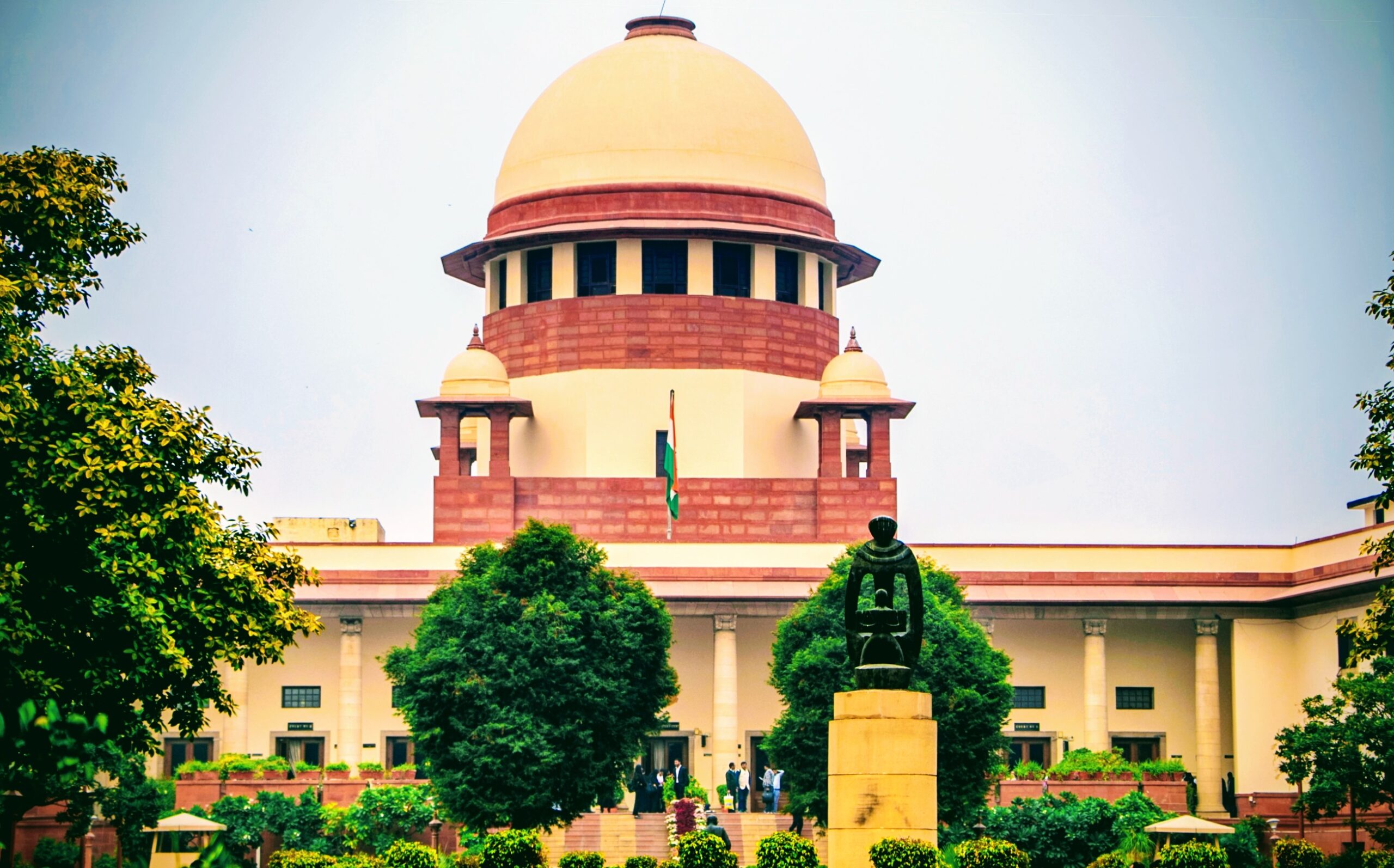
Court: Supreme Court of India
Bench: Justice Sanjay Karol and Justice N. Kotiswar Singh
Date: December 4
Key Provisions: Section 32 Evidence Act, Section 161 CrPC, Section 319 CrPC
Held: