Shivaji Rathore 31-Dec-2025
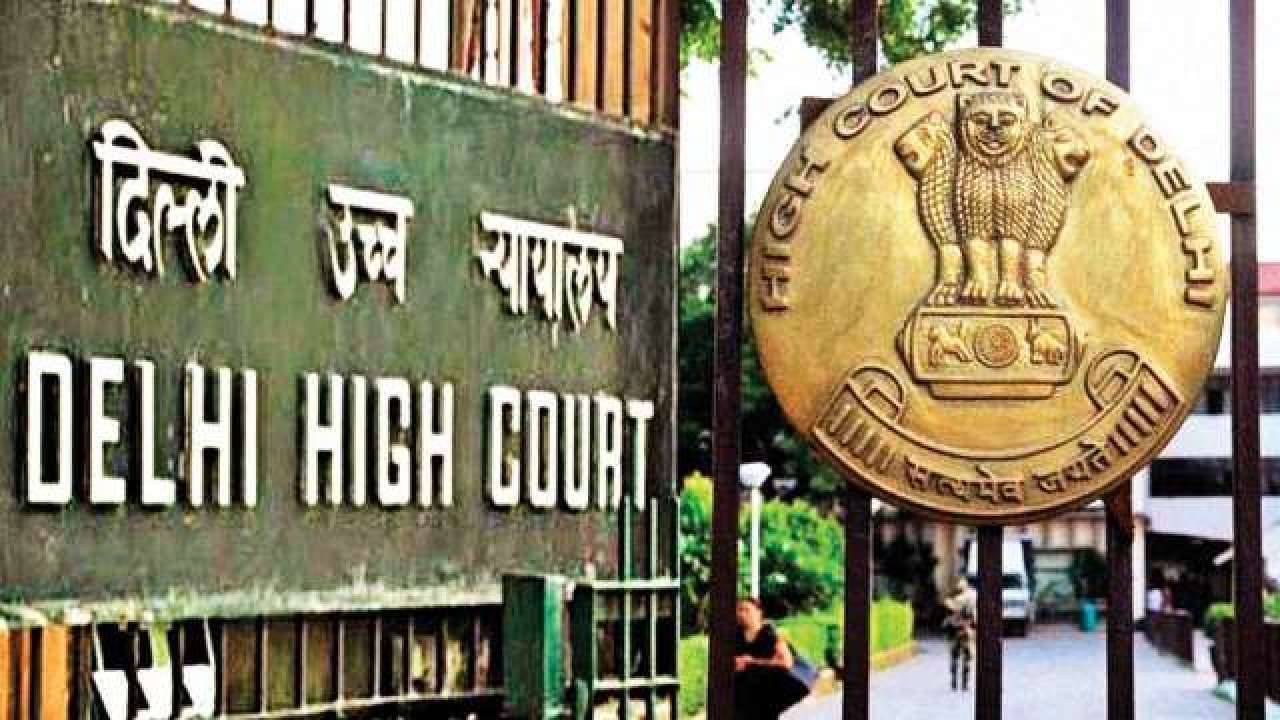
In a significant development, the Supreme Court of India on Monday stayed the operation of the Delhi High Court’s order which had suspended the sentence awarded to former Uttar Pradesh MLA Kuldeep Singh Sengar and granted him bail during the pendency of his appeal in the infamous Unnao rape case.
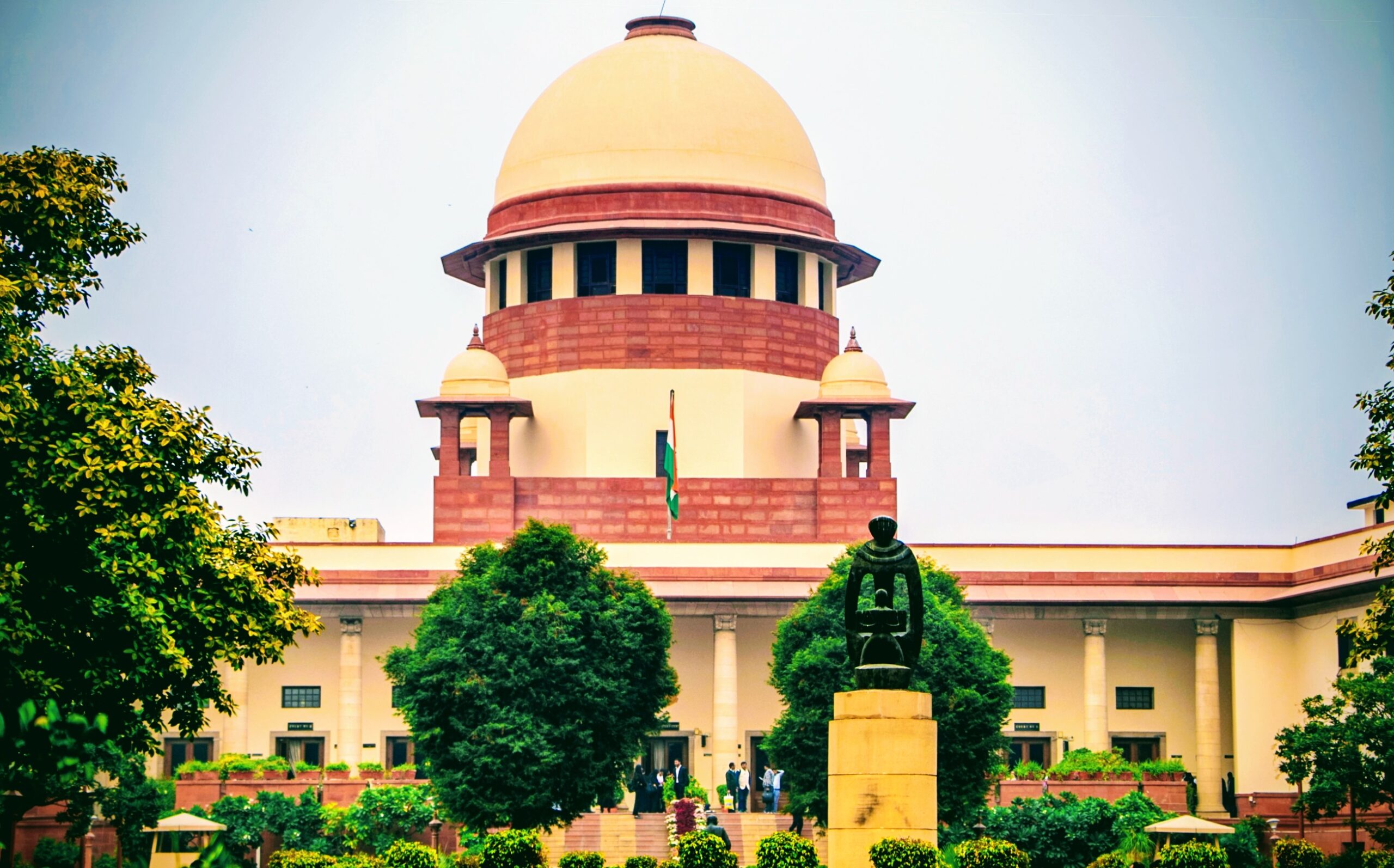
A Bench comprising Justice Surya Kant, Justice J.K. Maheshwari and Justice A.G. Masih passed the interim order while issuing notice on petitions challenging the Delhi High Court verdict which had suspended Sengar’s sentence.
Supreme Court’s Observations
Staying the impugned order, the Court observed that substantial questions of law arise for consideration. While noting the general principle that an order granting bail should ordinarily not be stayed without hearing the beneficiary, the Bench carved out an exception in the peculiar facts of the case.
The Court recorded that Sengar is already in custody in a separate criminal case relating to the culpable homicide of the survivor’s father. In view of this, the Court directed that he shall not be released from custody pursuant to the Delhi High Court’s order.
The Bench further clarified that the victim has an independent statutory right to file a separate Special Leave Petition and does not require liberty from the Court for the same. It was also directed that if the victim seeks free legal aid, the Supreme Court Legal Services Committee shall extend necessary assistance.
Petitions Before the Court
The Bench was hearing two separate challenges to the Delhi High Court order one filed by the Central Bureau of Investigation, and another by advocates Anjale Patel and Pooja Shilpkar. Notice was issued to Sengar, granting four weeks’ time for filing a counter affidavit.
CBI’s Submissions:- Appearing for the CBI, Solicitor General Tushar Mehta contended that the High Court had committed a serious error in holding that the aggravated offence provisions were not attracted on the ground that Sengar could not be treated as a “public servant”. He argued that offences under the POCSO framework are centred around the concept of penetrative sexual assault of a child, and aggravation arises when the offender is in a position of dominance over the victim. According to the CBI, the term “public servant” must be understood contextually, particularly in cases involving abuse of authority. Emphasising Sengar’s influence as a powerful MLA at the relevant time, the Solicitor General submitted that his position enabled him to exercise dominance over the minor victim, thereby squarely attracting aggravated offence provisions. He also argued that subsequent statutory amendments enhancing punishment do not create new offences and therefore do not violate constitutional protections against retrospective penalisation.
Defence Arguments:- Senior Advocates Siddharth Dave and N. Hariharan, appearing for Sengar, opposed the CBI’s plea. They argued that an MLA cannot be automatically categorised as a public servant for the purposes of aggravated offences and that a penal statute cannot import definitions from other laws unless expressly provided. It was also contended that the charge framed and adjudicated during trial was under Section 376(1) of the IPC, and therefore the High Court was justified in suspending the sentence.
Court’s Concerns:- The Chief Justice, however, expressed serious concern over the implications of such an interpretation, observing that it would lead to an anomalous situation where lower-level government functionaries could be treated as public servants, while elected representatives like MPs and MLAs would stand excluded. Justice Maheshwari further noted that the High Court had not examined the applicability of Section 376(2)(i) IPC, which was in force on the date of the offence and specifically deals with rape of a minor. The Bench observed that the scope and relevance of the concept of “public servant” within the POCSO framework requires authoritative determination.
Background of the Case:- The Delhi High Court had earlier suspended Sengar’s sentence on the reasoning that the aggravated offence provisions were not attracted, as he did not fall within the definition of a “public servant”. On that basis, bail was granted during the pendency of his appeal. Challenging this approach, the CBI has argued that such a narrow and technical interpretation dilutes the protective object of the POCSO Act, which is a special welfare legislation enacted to safeguard children from sexual offences. The agency maintains that abuse of authority and dominance must be treated as an aggravating factor. The CBI has also emphasised that long incarceration cannot, by itself, justify suspension of a life sentence in cases involving heinous crimes such as rape of a minor. It warned that releasing a powerful convict poses serious risks to the safety of the victim and undermines public confidence in the criminal justice system.
Case Details:- Sengar was convicted in 2019 by a Special CBI Court for raping a minor girl in Unnao district, Uttar Pradesh, and was sentenced to life imprisonment. The case had drawn nationwide outrage, with allegations of intimidation and harassment of the survivor and her family. Several connected cases were subsequently investigated by the CBI on the directions of the Supreme Court.
In a separate case, Sengar is also serving a ten-year sentence imposed in 2020 for the culpable homicide of the survivor’s father.
Case Titles:
Central Bureau of Investigation v. Kuldeep Singh Sengar, SLP (Crl.) No. 21367 of 2025
Anjale Patel & Anr. v. Central Bureau of Investigation & Anr., Diary No. 75128 of 2025