Section 216 CrPC Limited to Addition or Alteration of Charges
Shivaji Rathore 02-01-2026
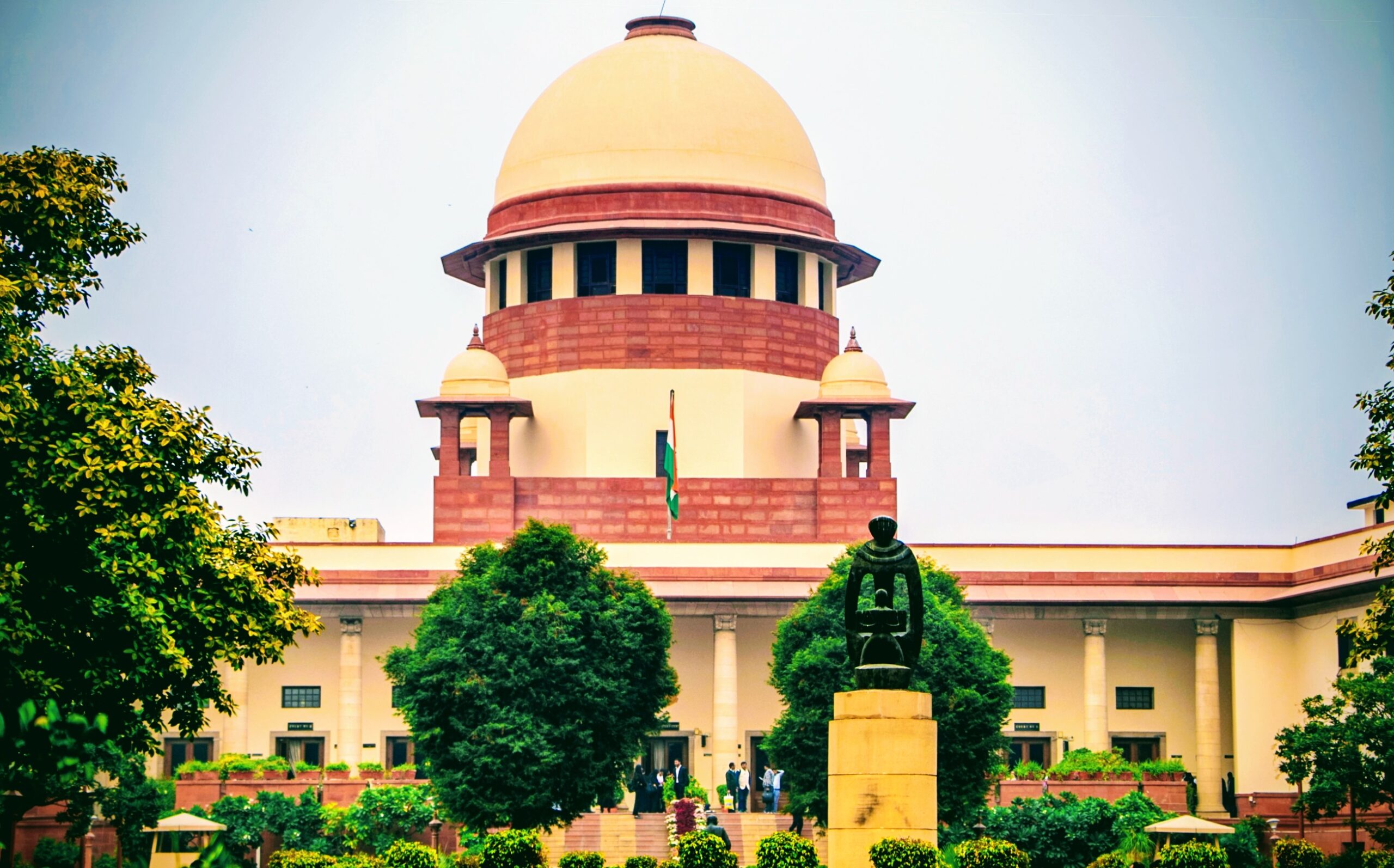
The Supreme Court of India, in a significant ruling delivered on April 17, has held that the power under Section 216 of the Code of Criminal Procedure, 1973 (CrPC) cannot be invoked to delete charges already framed against an accused. The provision can only be used for the addition or alteration of existing charges and not for discharge of the accused. The Court clarified that once charges are framed under Section 228 CrPC, the accused cannot thereafter be discharged either under Section 227 CrPC or by resorting to Section 216 CrPC. The analogous provision under the Bharatiya Nagarik Suraksha Sanhita, 2023 (BNSS) is Section 239.
No Power to Discharge Accused After Framing of Charges:-
The Bench emphatically observed:
“Once charges have been framed by the Trial Court in exercise of the powers under Section 228 CrPC, the accused cannot thereafter be discharged, be it through an exercise of the powers under Sections 227 or 216 CrPC.”
The Court reiterated that Section 216 CrPC only permits addition or alteration of charges and does not contemplate deletion or discharge at that stage of the trial.
“If the Legislature had intended to empower the Trial Court with the power to delete a charge at that stage, the same would have been expressly and unambiguously stated. No shortcuts must be allowed,” the Court held.
Approval of Allahabad High Court Precedent The Supreme Court approved the view taken by the Allahabad High Court in Dev Narain v. State of U.P. & Another, 2023 SCC OnLine All 3216, wherein it was held that Section 216 CrPC does not confer any power on the Court to delete charges once framed.
The High Court had categorically ruled that:
“A charge once framed must lead either to acquittal or conviction at the end of the trial and cannot be permitted to be deleted mid-trial.”
NDPS Charges Cannot Be Dropped Without Acquittal
The Bench comprising Justice J.B. Pardiwala and Justice Manoj Misra was hearing two criminal appeals where the Trial Court had effectively deleted charges framed under the NDPS Act and transferred the cases to the Metropolitan Magistrate for trial under the Drugs and Cosmetics Act, without acquitting the accused of the NDPS offences. The High Court upheld this approach, prompting the Directorate of Revenue Intelligence (DRI) to approach the Supreme Court.
Supreme Court Sets Aside Trial Court and High Court Orders Allowing the appeals, the Supreme Court set aside the impugned orders and held that both the Trial Court and the High Court committed a serious procedural error.
Justice Pardiwala, authoring the judgment, observed:
“The Trial Courts could not have discharged or deleted the charge under the NDPS Act while disposing of an application under Section 216 CrPC. This is something not permissible within our criminal procedure and the High Court unfortunately failed to take notice of this aspect.”
Direction for Trial Before Special NDPS Court Noting that the accused had not been acquitted of the NDPS charges, the Supreme Court directed that the respondents-accused in both appeals must be tried by the concerned Special Judge (NDPS) in accordance with law.
Legal Significance of the Ruling:- This judgment reinforces the strict procedural boundaries governing criminal trials and prevents misuse of Section 216 CrPC to prematurely terminate prosecutions. It underscores that:- Charges once framed cannot be deleted mid-trial, Trial courts cannot bypass acquittal by transferring cases, Section 216 CrPC is limited to alteration or addition of charges only The ruling ensures procedural discipline and safeguards the integrity of criminal trials, particularly in serious offences under special statutes like the NDPS Act.
Case Details
Case Title: Directorate of Revenue Intelligence v. Raj Kumar Arora & Ors.
CRIMINAL APPEAL NO 1319 OF 2013 AND 272 OF 2014
Court: Supreme Court of India
Date of Judgment: April 17
Bench: Justice J.B. Pardiwala and Justice Manoj Misra
Key Provision: Section 216 CrPC / Section 239 BNSS