Pre arrest Bail Granted in FIR under corruption act
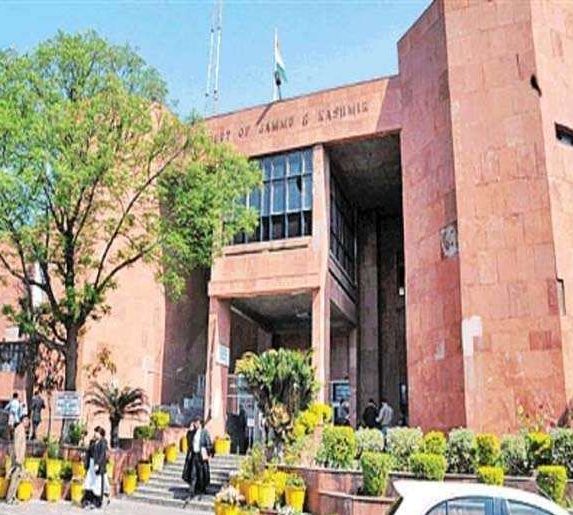
The High Court of Jammu & Kashmir, while dealing with two separate matters involving allegations of corruption and money laundering, granted anticipatory bail to the petitioners. These decisions highlight the Court’s approach towards balancing the right to liberty of an accused with the requirements of effective investigation.
Case 1: Ghulam Nabi Sheikh vs. State of J&K
Court: High Court of Jammu and Kashmir at Jammu
Case No.: B.A. No. 94/2017
Date of Order: 24.07.2017
Coram: Hon’ble Mr. Justice Janak Raj Kotwal
Counsel for Petitioner: Mr. Rahul Pant, Advocate
Counsel for Respondent: Mr. Raman Sharma, Dy. AG
Background
The petitioner, Ghulam Nabi Sheikh, was named in FIR No. 19/2017, registered at Vigilance Organization, Jammu, for offences under:
Section 5(1)(d) r/w Section 5(2) of the J&K Prevention of Corruption Act, 2006
Section 120-B RPC (criminal conspiracy)
The alleged acts of corruption dated back to 2002–2004. The State opposed the anticipatory bail plea, contending that the petitioner, being highly influential, could tamper with witnesses and destroy evidence.
Court’s Findings
The Court noted that:
The offences were allegedly committed more than a decade earlier. The petitioner had since retired from government service. No strong ground existed to justify custodial interrogation at this stage.
Decision
The Court confirmed the interim anticipatory bail earlier granted on 20.05.2017, subject to fresh bail bonds. The petitioner was directed to produce a copy of the order before the Investigating Officer.
Case 2: Suresh Kumar Rekhi & Another vs. Union of India & Another
Court: High Court of Jammu and Kashmir at Jammu
Case No.: Bail App No. 28/2021
Date of Order: 10.03.2021 (Reserved on 01.03.2021)
Coram: Hon’ble Mr. Justice Sanjeev Kumar
Counsel for Petitioners: Mr. Ayushman Kotwal, Advocate
Counsel for Respondents: Mr. Vishal Bharti, Standing Counsel
Background
The petitioners, a Deputy General Manager of the J&K Projects Construction Corporation and his wife, faced proceedings under:
Section 3 r/w Section 4 of the Prevention of Money-Laundering Act, 2002 (PMLA)
Earlier, FIR No. 12/2013 had been registered by the ACB, Jammu, under:
Section 5(1)(d) r/w Section 5(2) of the J&K Prevention of Corruption Act, 2006
Sections 12/14/13/15 of the Public Men and Public Servants Declaration of Assets Act, 1988
Sections 168/120-B RPC
The allegations were of possessing disproportionate assets worth ₹3.82 crores. Despite cooperating with the investigation, the petitioners apprehended arrest and sought anticipatory bail under Section 438 Cr.P.C.
Arguments
Prosecution: Cited P. Chidambaram vs. Directorate of Enforcement and Y.S. Jagan Mohan Reddy vs. CBI to argue against bail in economic offences.
Petitioners: Claimed consistent cooperation and absence of any custodial interrogation need.
Court’s Findings
The Court emphasized:
Accused persons cannot be compelled to self-incriminate (Article 20, Constitution of India).
They were never arrested during earlier investigation by ACB.
Custodial interrogation was not required, especially when investigation was near completion.
Decision
The Court allowed the petition and granted anticipatory bail, subject to conditions:
1. Furnishing personal bonds of ₹1 lakh with one surety each.
2. Cooperation with investigation and appearance when summoned.
3. Restriction on leaving J&K without permission.
4. No tampering with witnesses.
Legal Significance
These two judgments reaffirm important principles of criminal jurisprudence:
Presumption of innocence: An accused is presumed innocent until proven guilty.
Right to liberty vs. needs of investigation: Anticipatory bail ensures personal liberty is not unnecessarily curtailed when custodial interrogation is not essential.
Economic offences and bail: While generally viewed seriously, courts assess each case on merits rather than applying a blanket rule against bail.
Article 20 protection: No person can be compelled to provide self-incriminating evidence.
Conclusion
The J&K High Court’s grant of anticipatory bail in corruption and PMLA cases shows a nuanced approach balancing investigation needs with constitutional safeguards. These rulings highlight that bail, not jail, remains the governing principle unless there exist compelling reasons to deny liberty.
Read our other articles on different courts judgments visit our home page
This article cover the order/judgments on anticipatory bail by jammu kashmir high court in corruption cases and PMLA case as the judges are afraid of passing the anticipatory bail in these kind of cases these are some judgments when jammu kashmir high court has itself passed an order for pre arrest Bail to the accused persons. further you can read here important judgements and legal principles laid down by Hon’ble supreme court of India, this article is posted by Advocate Shivaji Rathore (J&K high court jammu) for more important legal topics stay connected with us, on tacit legal we post on YouTube channel also named as Tacit Legal helpful for Law students newely enrolled Advocate in India and other states, Follow us on Instagram also, Read our articles on important Questions of Law. #tacitlegal visit my website Tacit Legal dot in search on google, this website is made from Hostinger and wordpress follow our latest updates for legal news follow us on YouTube also for young lawyers law students helpful for Advocates, this blog is written by Advocate Shivaji Rathore practicing in Jammu and Kashmir high court and district court at Jammu. The website Tacit Legal is available on Google created with Hostinger and wordpress keep in touch and read our daily articles and reporting for law students and advocates as we provide you important legal information on Tacit Legal.in
If you have any query about this blog you can contact admin advocate Shivaji Rathore jammu kashmir #tacit legal