Shivaji Rathore 12-Dec-2025
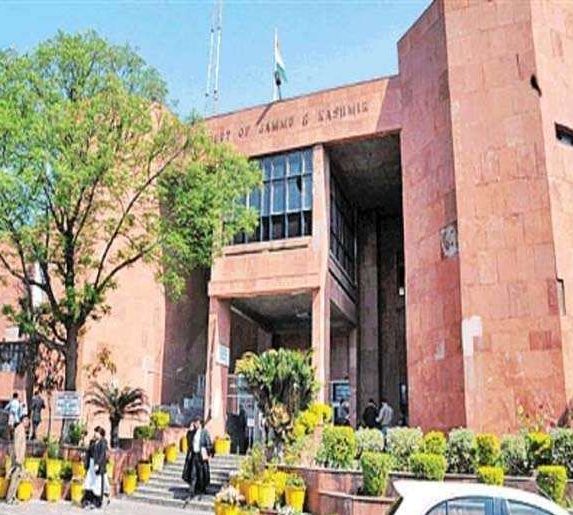
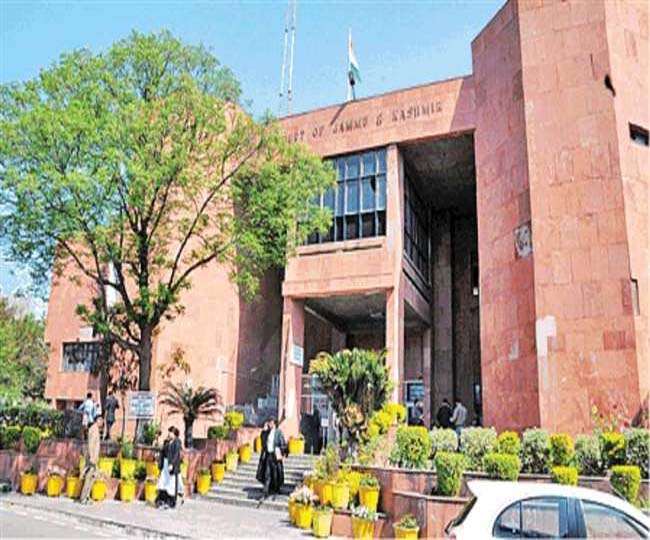
In a significant ruling reinforcing judicial discipline between parallel forums, the High Court of Jammu & Kashmir and Ladakh has held that revenue authorities must step aside once a civil court has assumed jurisdiction over a property dispute. The judgment came in a Kupwara land-pathway matter, where both parties had simultaneously approached different forums, leading to what the Court termed a classic case of “parallel adjudicatory tracks”. Justice Wasim Sadiq Nargal, while dismissing the writ petition filed by Farooq Ahmad Sheikh and others, emphasised that the primacy of the civil court cannot be diluted by allowing revenue authorities to continue adjudication on issues already sub judice before a competent civil forum. The Court’s message was direct: when civil rights over immovable property are being examined by a civil court, revenue authorities must “lay their hands off”.
Parallel Proceedings Cannot Co-Exist:- Justice Nargal made it clear that the dispute was not merely about land demarcation or removal of obstruction. What stood out was the violation of the fundamental principle that two forums cannot simultaneously adjudicate the same controversy.
The judgment reiterates:
“The jurisdiction of Civil Court is superior and revenue authorities cannot adjudicate upon such issues when the same are already before a Civil Court. The principle against parallel proceedings is settled.”
This pronouncement is consistent with the Court’s recent view in Abdul Rashid Khan v. UT of J&K, where it had declared that revenue authorities must defer their proceedings once a civil court is seized of the subject matter.
Background: Kupwara Link Road Dispute
The case originated from a complaint alleging that the petitioners had obstructed a public link road laid by the Rural Development Department. Acting on the complaint, the Deputy Commissioner ordered removal of the obstruction. This was affirmed by the Additional Commissioner and subsequently by the Financial Commissioner. However, the turning point was that a civil suit on the same issue was already pending before the Court of Munsiff, Sogam. On 12 July 2024, the civil court had even passed a restraint order prohibiting the petitioners from interfering with the pathway. Despite this, the revenue authorities continued their proceedings and passed orders potentially conflicting with the civil court’s injunction.
High Court’s Observations
Justice Nargal noted that not only were the petitioners aware of the civil court’s stay order, but the order had also been noted by the appellate and revisional revenue authorities. Yet, the petitioners deliberately withheld this fact from the High Court. Calling the concealment “wilful and deliberate”, the High Court imposed ₹50,000/- as costs, payable jointly by the petitioners.
The Court remarked that:- simultaneous proceedings before civil and revenue forums create a real danger of conflicting decisions, the law consciously discourages such parallel routes, civil court jurisdiction in matters of title, possession and civil rights is inherently superior. Most importantly, the Court held that parties cannot be permitted to take conflicting routes to achieve the same objective, particularly when the matter is directly and substantially in issue before a civil court.
Civil Court to Decide the Dispute Independently Concluding the judgment, Justice Nargal directed that: all grievances must be pursued before the civil court already seized of the matter, and the civil court shall proceed independently, uninfluenced by any observations in the writ judgment. This judgment is an important reaffirmation of judicial discipline and a reminder that revenue authorities have no jurisdiction to override or run parallel to the civil court when civil rights over property are in dispute.
Case Title: Farooq Ahmed Sheikh vs. Financial Commissioner Revenue
Court: High Court of Jammu & Kashmir and Ladakh
Judge: Justice Wasim Sadiq Nargal
- Speedy trial is right of accuse, bail to be grantedState should not oppose bail on the ground that offence is of serious nature when they can’t ensure
- J&K HC Court Emphasis Limited Scope of Framing of Charges in Criminal Trial,Quashed Corruption ChargesheetIn a significant judgment reaffirming the legal threshold for framing charges in criminal proceedings, the High Court of
- J&K Homes and Shops Rent Control Act, 1996
 Jammu Kashmir Homes and shops Rent control Act, 1966 History, Object and scope. This blog is about history,
 - Basic Principle of Interpretation:- Criminal Trial and Penal Statute1. Presumption of innocence In the Indian criminal justice system, a fundamental premise is that every accused is
- Definition under section 2 of j&k homes and rent control act
 DEFINITIONS; CONTROLLER (Section:2 clause 1) Controller means an officer appointed by the Government(substituted in place of Revenue Minister
 - Provisions related to rent section 3 to 10 fair rent and fixation of fair rent jammu kashmir homes rent control act 1996
 Before coming directly on section 3 of the act let’s first understand the definition of Fair Rent (under
 - Suit and proceeding for eviction section 11 -13

SUITS AND PROCEEDINGS FOR EVICTION
In this blog you will read about rights of tenant against eviction from section 11 to section 13 which include section 11(a),(b) section 12, 12(a) section 13.Contents of the article :- 1. Protection of the tenant against the eviction. 2. Restoration of possession of - J&K & Ladakh High Court Issues Notice on Plea for Urgent Bye-Elections in Nagrota and Budgam
 Jammu, :- The Jammu & Kashmir and Ladakh High Court has sought responses from the Union of India
 - Supreme Court Lays Down Key Principles for Granting Mandatory Injunction under Section 39 of the Specific Relief Act
 Date of Judgment: July 14, 2025Case Title: Estate Officer, Haryana Urban Development Authority & Ors. vs. Nirmala Devi(CIVIL
 - PRINCIPLES Laid DOWN BY SUPREME COURT on Condoning the delay:- The Law Aids the Vigilant, Not Those Who Sleep Over Their Rights: Understanding the Law of Limitation in IndiaIntroduction One of the fundamental principles in legal jurisprudence is the maxim “Vigilantibus non dormientibus jura subveniunt” —
- Supreme Court Observes Need to Consider ‘Ground Realities’ in Plea for Restoration of Statehood to Jammu & KashmirNew Delhi, August 14 — The Supreme Court of India, while hearing an application seeking directions for the
- If FIR is registered against you does it affect your government Job. Read full…
 Case Details: Dana Ram v. State of RajasthanBefore: Justice Vinit Kumar MathurCourt: Rajasthan High Court Court’s Ruling on
 - Landmark Ruling: Supreme Court Upholds Right to Motorable Highways, Halts Toll Collection on Poor RoadsIn a powerful judgment that reinforces the principle of public trust and the citizen’s right to quality infrastructure,
- J&K High Court Sets Aside NDPS Charge Under Section 27-A, Grants Bail and Orders Release of Seized VehicleCase Title: Mohd. Aslam vs. Union Territory of J&KCase No.: CRM(M) No. 157/2025 c/w Bail App No. 297/2024
- No Arrest in 498a IPC/ 85 BNS :- Supreme Court Landmark Judgement, Relaying on Allahabad High court JudgementCase Reference Shivangi Bansal v. Sahib BansalMukesh Bansal v. State of U.P. Introduction Section 85 of the Bhartiya
- Concept of Necessary Party in Writ petition is Broader then in civil suit:- J&K High Court(DB)Case Details Case Title: Farooq Ahmad Sheikh Vs Tariq Ahmad Malik 2024 Coram: Justice Tashi Rabstan & Justice
- Supreme Court Quashes POCSO Case, Holds Promise of Marriage Followed by Consensual Relationship Does Not Amount to RapeCase Title: Kunal Chatterjee v. State of West Bengal & Ors.Bench: Justices Sudhanshu Dhulia and Aravind KumarDate of
- SC:- Parties reach settlement no conviction in 138 NIACheck bounce case No Jail after settlement between parties Case Details Gian Chand Garg v. Harpal Singh
- Calculation of minor income in motor Accident claimSupreme Court :- Minor can’t be a No income person for the purpose of Compensation Case Title Hitesh
- J&K High Court Upholds Acquittal in 2002 Murder CaseState challenged the acquittal, contending that: The trial court had not properly appreciated evidence Case Title and Citation