Understanding the Evidentiary Value of TIP and Dock Identification
29-Nov-2025 TACIT LEGAL
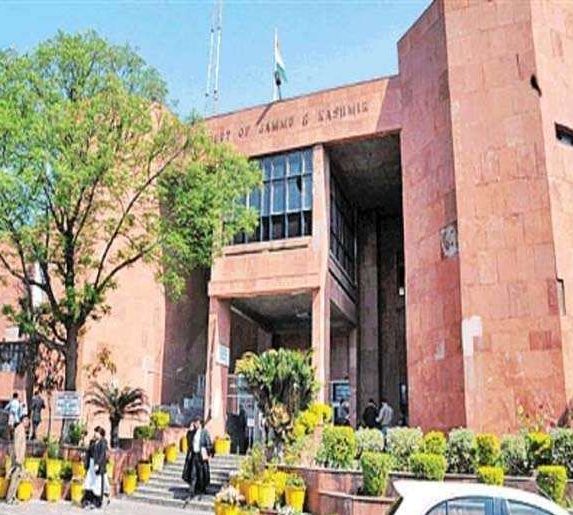
The High Court of Jammu & Kashmir and Ladakh has held that Test Identification Parade (TIP), though a valuable investigative tool, is not mandatory, nor is it the substantive evidence of identity. The Court clarified that dock identification the identification of an accused made by a witness in the courtroom constitutes substantive evidence, whereas TIP is merely corroborative. A Division Bench of Justice Sanjeev Kumar and Justice Rajesh Sekhri emphasised that courts may, in appropriate circumstances, rely solely on dock identification even in the absence of a prior TIP, provided the witness’s testimony inspires confidence and is supported by surrounding facts.
Background of the Case
The judgment arose from a criminal petition where the accused challenged the trial court’s reliance on dock identification by prosecution witnesses. The defence argued that: The accused were unknown to the witnesses prior to the incident. No Test Identification Parade was conducted during the investigation.Therefore, the dock identification lacked credibility and could not form the basis of conviction. This contention brought the Court to examine the broader legal question: Is TIP mandatory, and what is its relationship to dock identification?
2. Purpose and Legal Standing of Test Identification Parade:- The Court explained that a TIP is part of the investigative process, primarily serving the following purposes: To test the memory, observation, and veracity of witnesses. To strengthen prosecution evidence by providing preliminary corroboration. To eliminate the possibility of witnesses being tutored or influenced before trial. However, the Court reiterated that TIP is not substantive evidence. It is only a method to lend support to what ultimately matters: the witness’s sworn testimony in the courtroom.
3. Dock Identification as Substantive Evidence:- Relying on Section 9 of the Indian Evidence Act, the Bench highlighted that what establishes the identity of the accused is the testimony given in court.
In a significant observation, the Bench held:
“Test Identification Parade is a corroborative piece of evidence, whereas evidence of dock identification is substantive evidence… the substantive evidence of a witness is the statement made in the court.” Thus, the Court reaffirmed that dock identification has an independent and overriding evidentiary value.
4. TIP as a Rule of Prudence, Not a Mandatory Requirement:- The Bench clarified that TIP is not a statutory requirement but a prudential safeguard a rule formulated to increase the reliability of courtroom testimony.
The Court stated:
“Test Identification Parade is considered a safe rule of prudence, to look for corroboration… This rule of prudence, however, is subject to exceptions.” Thus, in appropriate cases where the witness is credible, circumstances corroborate testimony, and no prejudice is caused the absence of a TIP is not fatal to the prosecution.
5. Application of Law to the Present Facts Upon examining the records, the High Court found that: The eyewitness’s courtroom identification was consistent and confidence-inspiring. No material was placed to show that the absence of TIP caused prejudice to the accused. The trial court had correctly relied upon dock identification. Accordingly, the High Court held that the petitioners had failed to demonstrate unreliability or prejudice, and therefore declined to interfere with the lower court’s findings.
Case Details
Case Title: Arvind Verma & Anr. v. State of Jammu & Kashmir & Ladakh
Court: High Court of Jammu & Kashmir and Ladakh
Bench: Justice Sanjeev Kumar and Justice Rajesh Sekhri
Legal Provisions Discussed:
Section 9, Indian Evidence Act, 1872
Principles governing Test Identification Parade
Evidentiary weight of dock identification