
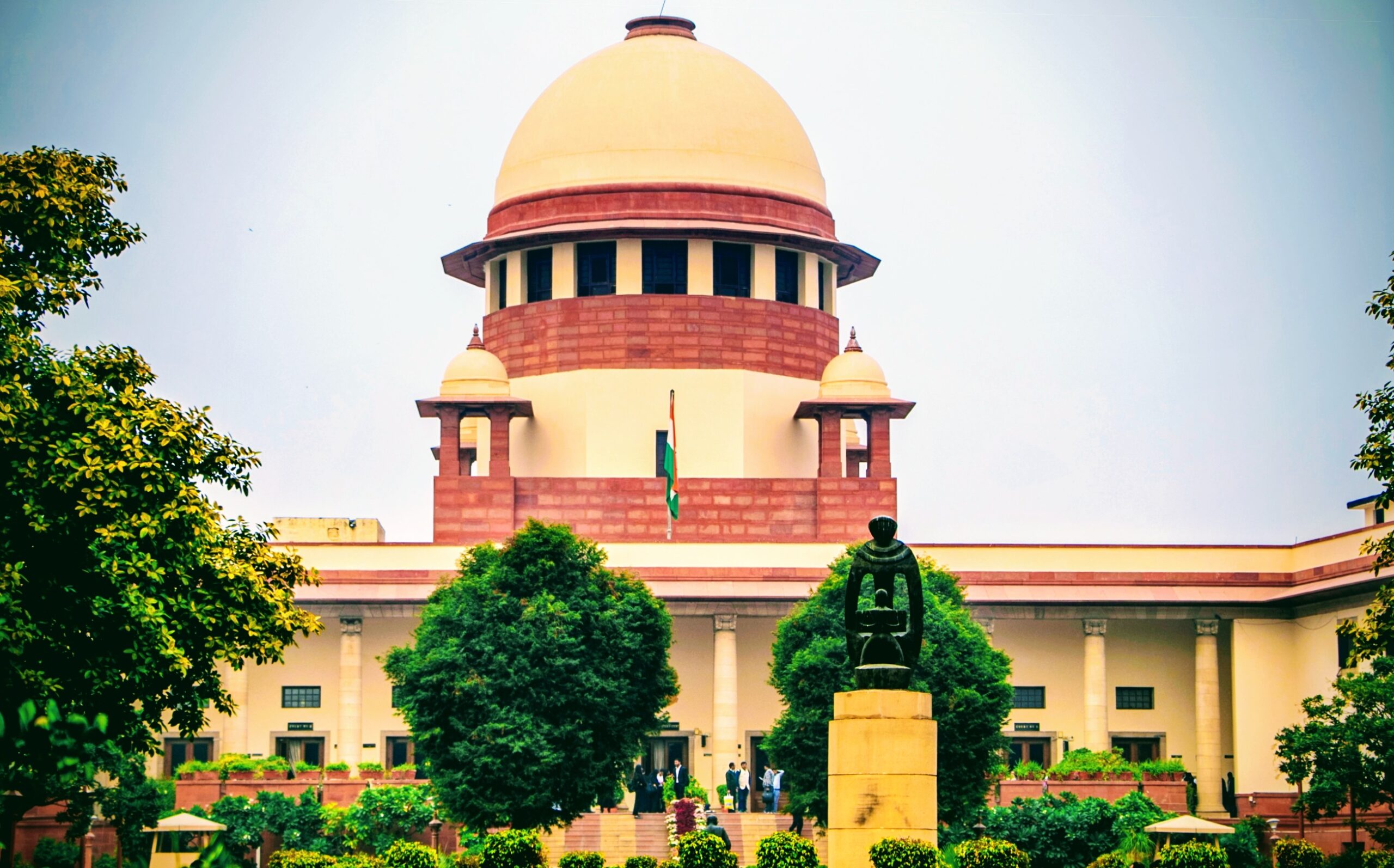
Case Reference
Shivangi Bansal v. Sahib Bansal
Mukesh Bansal v. State of U.P.
Introduction
Section 85 of the Bhartiya Nyaya Sanhita, 2023 (earlier Section 498A IPC), addresses cruelty committed against married women by their husbands or in-laws. While enacted with the noble intent of protecting women from violence and dowry-related harassment, this provision has, over the years, become one of the most debated in Indian criminal law.
Data obtained from five district courts in Delhi reveals a concerning picture—out of 9,950 trials under Section 85 (between 2021 and 2024), only 23 resulted in conviction (0.2%), nearly 47% were quashed, and 736 ended in acquittal. Such statistics highlight both the seriousness of misuse and the urgent need for reform.
In this context, the Supreme Court’s ruling in Shivangi Bansal v. Sahib Bansal (2025) gains significance, as it endorsed the guidelines framed by the Allahabad High Court in Mukesh Bansal v. State of U.P. (2022) concerning the constitution of a Family Welfare Committee (FWC). These judicial interventions attempt to strike a delicate balance between protecting genuine victims and preventing misuse of the law.
Historical Background and Legislative Intent
Before 1983, Indian criminal law did not specifically address cruelty against married women within matrimonial homes. The Dowry Prohibition Act, 1961 existed but was largely confined to penalising the exchange of dowry rather than addressing cruelty and harassment.
Rising cases of dowry deaths and domestic violence during the early 1980s pushed Parliament to enact the Criminal Law (Second Amendment) Act, 1983. This introduced Section 498A IPC (now Section 85 BNS), making cruelty by a husband or his relatives a cognizable and non-bailable offence.
The Joint Parliamentary Committee of 1982 observed that the “increasing graph of dowry deaths is a matter of serious concern” and recommended amendments to the IPC, CrPC, and the Evidence Act. Accordingly, presumptions under Sections 113A and 113B of the Evidence Act were inserted to strengthen enforcement. These provisions now correspond to Sections 117 and 118 of the Bhartiya Sakshya Adhiniyam, 2023.
Key Features of Section 85 BNS
Section 85 retains the essence of Section 498A IPC. Its key features are:
Punishment: Imprisonment of not less than one year (extendable up to three years) and fine.
Definition of Cruelty: Detailed separately under Section 86 BNS, which covers:
1. Conduct likely to drive a woman to suicide or cause grave injury/danger to her life or health (mental or physical).
2. Harassment with the intention of coercing her or her relatives to meet unlawful demands for property or valuable security.
Family Welfare Committee: Judicial Safeguard Against Misuse
In Mukesh Bansal v. State of U.P. (2022), the Allahabad High Court, drawing inspiration from the Supreme Court’s judgment in Social Action Forum for Manav Adhikar v. Union of India (2018), laid down guidelines for the constitution of Family Welfare Committees (FWC).
Key Features of the Guidelines:
1. Cooling-off Period:
In cases under Section 85 (and other offences with less than 10 years imprisonment), a two-month cooling-off period must be observed.
During this period, no arrests are permitted, though the investigating officer may conduct limited inquiry (medical reports, injury reports, witness statements).
2. Composition of FWC:
To be constituted under District Legal Aid Services Authority.
Minimum of three members, drawn from:
Mediators or young advocates with less than five years’ practice.
Law students with good academic standing.
Recognised social workers.
Retired judicial officers.
Educated spouses of senior judicial/administrative officers.
3. Functioning and Reporting:
Complaints are referred to the committee.
Both parties and their senior family members are summoned for interaction.
A detailed report is submitted after two months, which the magistrate or investigating officer considers before further action.
If settlement occurs, the case may be closed under judicial supervision.
Practical Impact and Challenges
The introduction of Family Welfare Committees is a promising step towards balancing justice. They help:
Defuse minor domestic conflicts.
Prevent frivolous arrests.
Preserve marital harmony where possible.
However, challenges remain:
Training & Sensitisation: Members must be trained in gender sensitivity and family law.
Timely Implementation: Delay in forming committees or lack of funds could defeat the purpose.
Urgent Cases: A blanket cooling-off period may hinder immediate relief in genuine cases of violence.
Judicial Oversight: Regular monitoring and accountability are necessary to prevent misuse of FWCs themselves.
Conclusion
Section 85 of the Bhartiya Nyaya Sanhita continues to serve as a critical safeguard for married women against cruelty. However, its misuse has created a pressing need for judicial safeguards. The Shivangi Bansal ruling, affirming the Allahabad High Court’s guidelines in Mukesh Bansal, is a step towards ensuring fairness by balancing protection of victims with safeguards for the accused.
While the provision itself should not be abolished, its implementation requires refinement through effective committees, regular training, judicial oversight, and data-driven monitoring. Only then can the law achieve its dual objective of protecting the vulnerable while ensuring justice is not misused as a weapon.
References
1. Shivangi Bansal v. Sahib Bansal, 2025 (SC) 735; 2025 SCC OnLine SC 1494
2. Mukesh Bansal v. State of U.P.,
3. Indian Penal Code, 1860.
4. Bhartiya Nyaya Sanhita, 2023.
5. Bhartiya Sakshya Adhiniyam, 2023


It’s actually a great and useful piece of info. I am glad
that you simply shared this useful information with us.
Please stay us up to date like this. Thank you for sharing.
It’s an amazing post in support of all the online viewers; they will obtain benefit from it I am sure.