Section 223 BNSS Inapplicable to Proceedings under Section 138 NI Act
Tacit Legal 20 Jan 2025
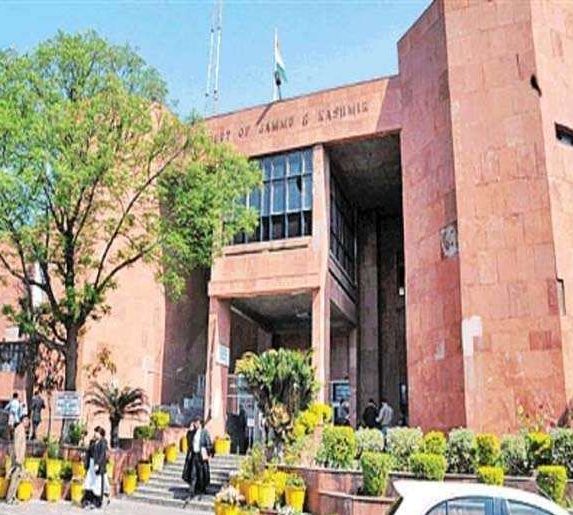
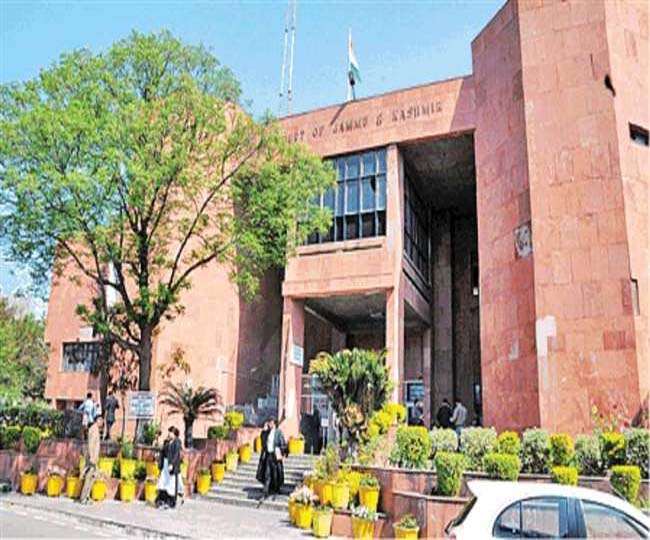
In a significant ruling clarifying the interplay between the Bharatiya Nagarik Suraksha Sanhita, 2023 (BNSS) and the Negotiable Instruments Act, 1881, the Jammu & Kashmir High Court has dismissed a petition seeking quashing of criminal proceedings under Section 138 of the NI Act, holding that the requirement of granting a pre-cognizance hearing to the accused under Section 223 BNSS does not apply to cheque dishonour cases. The Court further deprecated the practice of accused persons initiating civil suits or parallel criminal proceedings after the filing of a cheque dishonour complaint with the intention of derailing statutory prosecution.
Petitioner’s Case
The petitioner assailed the proceedings initiated by the respondent under Section 138 NI Act on the following grounds:- That the complaint was mala fide, abusive of process, and filed as a counterblast to the petitioner’s alleged lawful monetary claim of ₹45 lakh.
That prior to the cognizance order, the petitioner had:
Filed a civil suit for recovery of the said amount before the District Judge, Udhampur; and Instituted a private criminal complaint under Sections 115, 126, and 352 of the Bharatiya Nyaya Sanhita (BNS) against the respondent. That once the Trial Court had granted a pre-cognizance hearing under Section 223 BNSS, it could not subsequently dispense with such hearing, rendering the cognizance order legally unsustainable.
Factual Background
On 04 June 2025, the respondent filed a complaint under Section 138 NI Act before the Judicial Magistrate, Katra. The Trial Court initially invoked Section 223 BNSS, granting a pre-cognizance hearing.
Subsequently, by order dated 29 October 2025, the Court took cognizance after being satisfied that:
The cheques were dishonoured;- Statutory legal notice had been duly served; and Payment was not made within the prescribed period.
During the interregnum:
A civil recovery suit was filed by the petitioner on 01 September 2025; and A private criminal complaint was lodged on 29 August 2025.
High Court’s Analysis and Findings
1. Section 223 BNSS Inapplicable to Section 138 NI Act
Relying upon the judgment of the Supreme Court of India in Sanjabij Tari v. Kishore S. Borcar & Anr. (2025 LiveLaw (SC) 952), the High Court held that:
Proceedings under Section 138 of the NI Act are governed by a special statute, and therefore, the general procedural requirement of hearing the accused at the pre-cognizance stage under Section 223 BNSS stands dispensed with. The Court reaffirmed that special law prevails over general law, particularly in matters concerning economic offences and commercial transactions.
2. Parallel Civil or Criminal Proceedings Cannot Stall NI Act Prosecution The Bench categorically held that:
The institution of a civil suit or a separate criminal complaint by the accused after the filing of a cheque dishonour complaint cannot be used as a weapon to obstruct or delay statutory prosecution. Such tactics, if permitted, would frustrate the legislative intent behind Section 138 NI Act, which aims at ensuring financial discipline and commercial credibility.
3. Ingredients of Section 138 Prima Facie Established
The Court observed that once the following essential ingredients are prima facie satisfied, the Trial Court is competent to take cognizance:
Issuance of cheque;
Dishonour of cheque;
Service of statutory legal notice; and
Failure to make payment within the stipulated period.
In the present case, all four conditions stood fulfilled.
4. Plea of Non-Service of Notice Rejected
Rejecting the petitioner’s contention regarding non-service of statutory notice, the Court noted that:
Postal receipts clearly established service at the same address where the petitioner had earlier appeared through counsel; and The petitioner had even sought time to file objections, thereby negating the plea of ignorance.
5. Alleged Denial of Hearing Found Misleading
The argument that the petitioner was denied a hearing was dismissed as being contrary to the record. The Court recorded that:
“The physical non-production of the petitioner was deliberately avoided by his counsel.” Accordingly, the plea of violation of natural justice was found to be devoid of merit.
Conclusion
The High Court ultimately dismissed the petition, holding that: Pre-cognizance hearing under Section 223 BNSS is not mandatory in cheque dishonour cases; Parallel proceedings cannot derail Section 138 NI Act prosecution; and Once statutory requirements are met, the Magistrate is fully empowered to take cognizance.
Case Title
Jasveer Singh and Others vs Jugal Kishore (2026)
Key Takeaway