Under POCSO, But Sexual assault
Case Title: Laxman Jangde v. State of Chhattisgarh through SHO
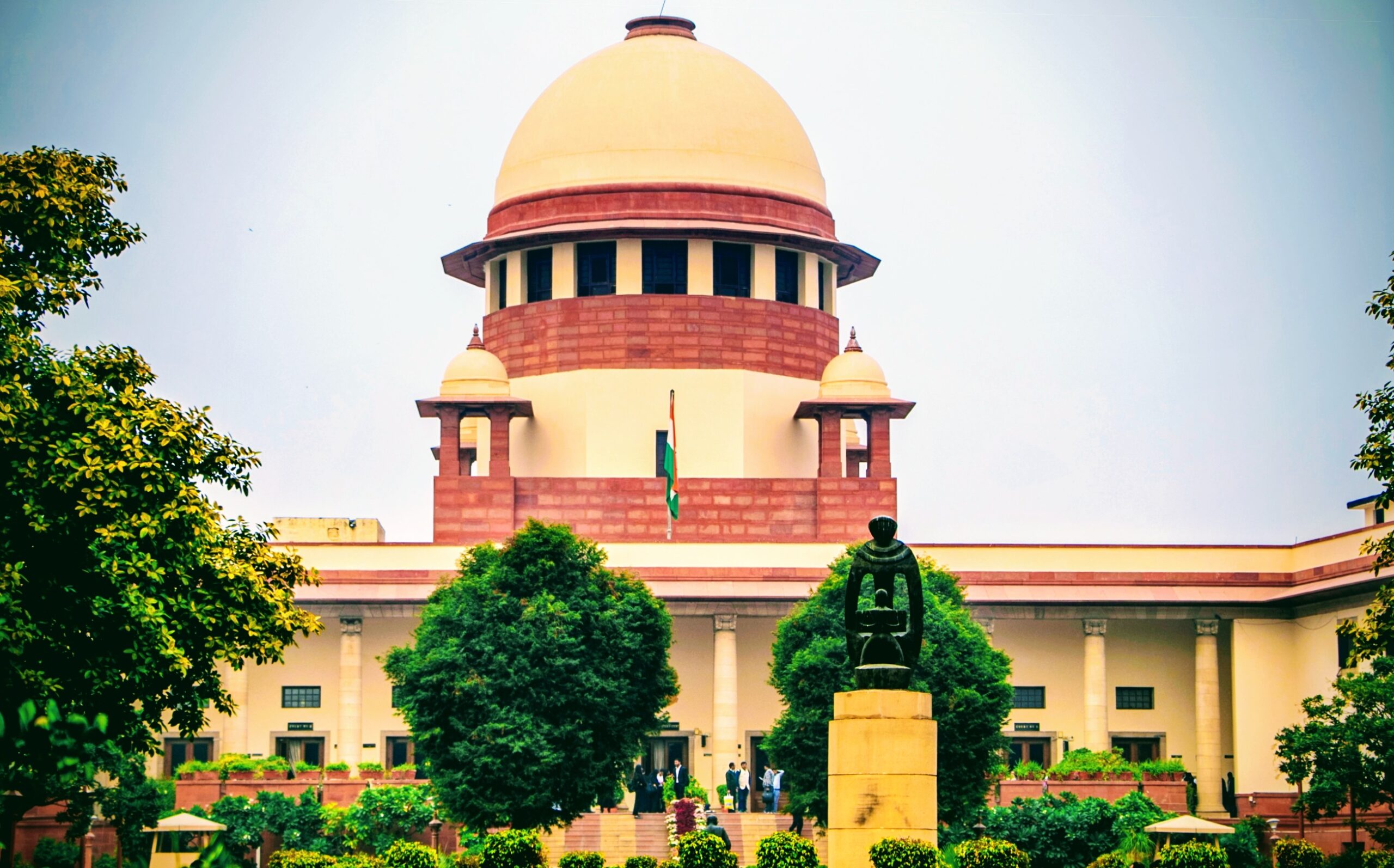
Court: Supreme Court of India
Bench: Justice Ahsanuddin Amanullah & Justice Joymalya Bagchi
Date of Judgment: 10 September 2025
Citation: Criminal Appeal No. ___ of 2025 (Arising out of SLP (Crl.) No.10377/2025)
Background of the Case
The appellant, Laxman Jangde, was convicted by the Trial Court under Section 376AB of IPC and Section 6 of the POCSO Act, 2012 for alleged sexual assault on a minor girl below 12 years of age. He was sentenced to 20 years of rigorous imprisonment along with a fine of ₹50,000.
The conviction was upheld by the Chhattisgarh High Court in January 2025. Aggrieved, the appellant approached the Supreme Court.
Arguments
Appellant’s Contentions
The evidence, including the FIR, the victim’s statement under Section 164 CrPC, and her deposition during trial, did not establish penetrative sexual assault.The allegation was limited to touching of private parts and the appellant exposing his own organs. Therefore, the offence would not fall under Section 376AB IPC or Section 6 POCSO Act, which require proof of penetration. At most, it could amount to Section 354 IPC (assault or criminal force with intent to outrage modesty) and Section 9(m) POCSO Act (aggravated sexual assault on child below 12 years).
State’s Stand
The State argued that the act amounted to penetrative sexual assault under Section 375 IPC and Section 3(c) POCSO Act, and given the tender age of the victim, no leniency should be granted.
Findings of the Supreme Court
On a careful reading of the victim’s statements and medical evidence, penetration was not established. The consistent allegation was only of touching of private parts, not of sexual intercourse. Hence, the conviction under Section 376AB IPC and Section 6 POCSO Act could not be sustained. Instead, the act squarely fell within the ambit of:Section 354 IPC (outraging modesty of woman), and Section 10 POCSO Act (aggravated sexual assault).
Modified Sentence
Conviction altered from Section 376AB IPC / Section 6 POCSO Act to Section 354 IPC / Section 10 POCSO Act. Sentence modified to: 5 years rigorous imprisonment under Section 354 IPC, and 7 years rigorous imprisonment under Section 10 POCSO Act.
Both sentences to run concurrently.
Fine of ₹50,000 retained, payable as compensation to the victim within two months.
Key Takeaways
1. Proof of Penetration is Essential – For conviction under rape provisions of IPC or penetrative sexual assault under POCSO, there must be clear evidence of penetration.
2. Appropriate Classification of Offence – Mere touching with sexual intent may amount to sexual assault but not penetrative sexual assault.
3. Judicial Balance – The Supreme Court reaffirmed that sentencing must align strictly with the offence proved, neither exaggerated nor minimized.
Conclusion: This judgment underscores the importance of precise appreciation of evidence in sexual offence cases. While protecting children from exploitation remains paramount, courts must ensure convictions are based strictly on legal definitions and proven facts.
Read our other articles on different courts judgments visit our home page
This article cover the legal procedure of Protection of children from sexual offences where Touching private part of minor whether it is Rape or Not this question is determined by supreme court. further you can read here important judgements and legal principles laid down by Hon’ble supreme court of India, this article is posted by Advocate Shivaji Rathore (J&K high court jammu) for more important legal topics stay connected with us, on tacit legal we post on YouTube channel also named as Tacit Legal helpful for Law students newely enrolled Advocate in India and other states, Follow us on Instagram also, Read our articles on important Questions of Law. #tacitlegal visit my website Tacit Legal dot in search on google, this website is made from Hostinger and wordpress follow our latest updates for legal news follow us on YouTube also for young lawyers law students helpful for Advocates, this blog is written by Advocate Shivaji Rathore practicing in Jammu and Kashmir high court and district court at Jammu.
If you have any query about this blog you can contact admin advocate Shivaji Rathore jammu kashmir #tacit legal