Demands of the Ladakhi people
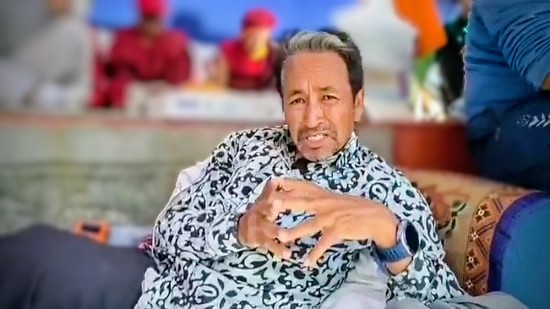
On 26 September 2025, news broke that Ladakh’s renowned environmentalist, innovator, and social reformer Sonam Wangchuk had been detained by authorities following days of intense protests in Leh. The detention came in the aftermath of demonstrations demanding constitutional safeguards for Ladakh, including statehood, Sixth Schedule protections, and preservation of fragile ecosystems. Instead of dialogue, the government responded with police force, restrictions, and now the incarceration of a man who has dedicated his life to nation-building, education, and sustainable development.
For many Ladakhis, this detention is not just about one individual it represents the silencing of an entire region’s voice.
Background: Why Ladakhis Are Protesting
Ever since the 2019 abrogation of Article 370 and the bifurcation of Jammu & Kashmir, Ladakh was carved out as a Union Territory without a legislature. While some initially welcomed this move, it soon became clear that democratic representation, land protections, and environmental safeguards were eroding.
The key demands of Ladakhi people, championed by Wangchuk and other civil society groups, have been:
- Inclusion in the Sixth Schedule of the Constitution, giving Ladakh autonomy to protect tribal culture, land, and resources.
- Statehood for Ladakh, so that people have their own elected government and voice in policymaking.
- Protection of environment and glaciers, which are under severe threat from unregulated tourism, mega solar projects, and unchecked development.
- Safeguards for traditional livelihoods, especially of nomads, Pashmina goat rearers, and small farmers whose grazing lands are being diverted.
For over two years, Ladakhis have staged peaceful protests, hunger strikes, and even a symbolic “climate fast” led by Sonam Wangchuk to draw national attention. Their methods have been strictly non-violent, rooted in the Gandhian spirit.
The Detention of Sonam Wangchuk
The protests in Leh escalated when locals felt ignored despite repeated assurances by the central government. Frustration grew, and in late September, demonstrations turned tense. Police responded with heavy deployment, baton charges, and curfews. On September 26, 2025, Wangchuk was arrested under preventive detention laws, with reports suggesting even the National Security Act (NSA) may have been invoked. What shocked many across India was not just the arrest itself but the narrative built around it. Government sources linked Wangchuk to “anti-national activities,” alleged “foreign funding misuse,” and hinted at his “provocative role” in mobilizing people. For Ladakhis and countless Indians who know Wangchuk as a patriot, innovator, and educationist, these allegations ring hollow.
A Nationalist Branded “Anti-National”?
This is the crux of the outrage. Sonam Wangchuk has always been a nationalist voice, someone who used science and innovation to strengthen India’s image globally. His ice-stupa innovation is celebrated as a climate solution worldwide. His school reforms inspired films like 3 Idiots. His activism has always emphasized that Ladakh should remain strong, sustainable, and proudly Indian. To now see him branded as an anti-national is not only insulting to his legacy but also exposes the ego-driven politics of the central government. Instead of engaging with his demands, which are rooted in the Constitution itself, the government has chosen the path of vilification. This is not about national security. This is about the refusal of those in power to listen to dissenting voices.
The Emotions of Ladakh
For Ladakhi people, Wangchuk is not just an activist he is a guardian of their land, culture, and future. His detention feels like a betrayal. Many ask:
- If someone like Sonam Wangchuk, who speaks the language of peace and sustainability, is jailed, then what hope remains for ordinary Ladakhis?
- Is demanding constitutional safeguards now a crime in India?
- Why is Delhi so afraid of listening to its own citizens?
The emotional connect is deep. When Delhi silences Wangchuk, it silences Ladakh. It tells every Ladakhi youth, monk, shepherd, and farmer that their voice does not matter in the corridors of power.
The Bigger Picture: Democracy and Ego
What the central government forgets is that democracy is not just about winning elections it is about listening, accommodating, and respecting diverse voices. By jailing Wangchuk, the government has sent a chilling message: dissent will be crushed, even if it comes from a Gandhian environmentalist in the cold deserts of Ladakh. The tragedy is that this confrontation is unnecessary. Ladakhis are not demanding secession, violence, or defiance of India’s sovereignty. They are demanding what the Constitution already allows:- representation, protection of land, and cultural preservation. But because the central government sees every criticism as a threat to its authority, it has chosen confrontation over compassion. This is not about national security. This is about the ego of power.
The detention of Sonam Wangchuk should make every Indian pause. If an innovator who brought pride to India is treated as a criminal for standing with his people, then where is our democracy heading? Ladakh stands today at a crossroads. Its glaciers are melting, its youth are restless, its people feel voiceless. Instead of addressing these issues, the government has chosen to punish the very man who tried to bridge Ladakh with the rest of India. The question that echoes in the mountains of Ladakh is now reaching the rest of India:
If speaking for one’s land and people makes you anti-national, then what does nationalism really mean? History will judge not Sonam Wangchuk, but the government that put him behind bars. The detention of Sonam Wangchuk is not just the story of one man in a remote Himalayan region, it is the story of how dissent and democratic aspirations are being silenced in today’s India. His arrest is a reminder that when governments place ego above empathy, they end up alienating their own people. The irony is hard to miss: a man celebrated worldwide as a nationalist innovator, environmentalist, and educator is being portrayed as “anti-national” simply because he dared to speak truth to power. This is not just an injustice to Wangchuk, but also to the very idea of India as a democracy. If leaders in Delhi do not listen to voices like his, they risk not only losing the trust of Ladakhis but also undermining the credibility of Indian democracy itself. The mountains of Ladakh are now asking the nation a question that cannot be ignored:
Is nationalism about blind obedience to power, or about courageously safeguarding the people and land of the nation?
Disclaimer: The views and opinions expressed in this article are solely those of the author and are intended for informational and educational purposes only. This article has been published on Tacit Legal to encourage discussion on issues of public importance. It should not be construed as legal advice or as a substitute for professional legal consultation.
Author: This article is written by Advocate Shivaji Rathore, and Advocate Ajay Kumar Thappa.
Read our other Articles on Home Page
Tags/Hashtags: #SonamWangchuk #LadakhProtests #SonamWangchukDetention2025 #LadakhVoices #TacitLegal #AdvocateShivajiRathore #LegalAnalysis