Landmark Ruling Strengthens Financial Rights of Divorced Muslim Women Under the 1986 Act
03-Dec-2025
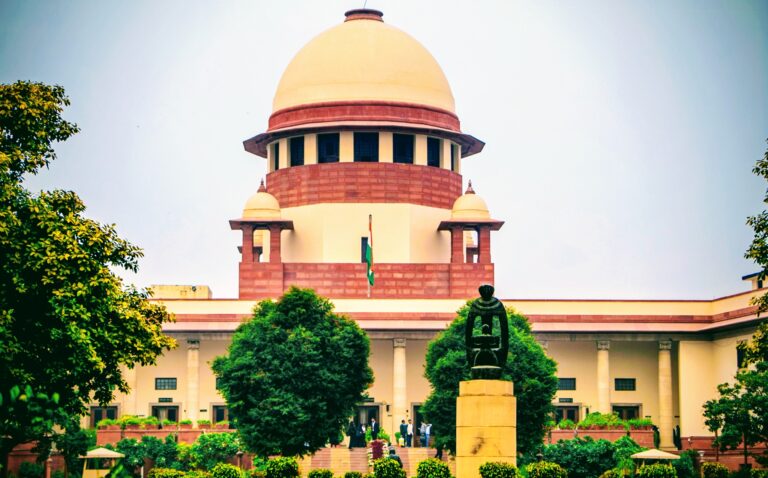
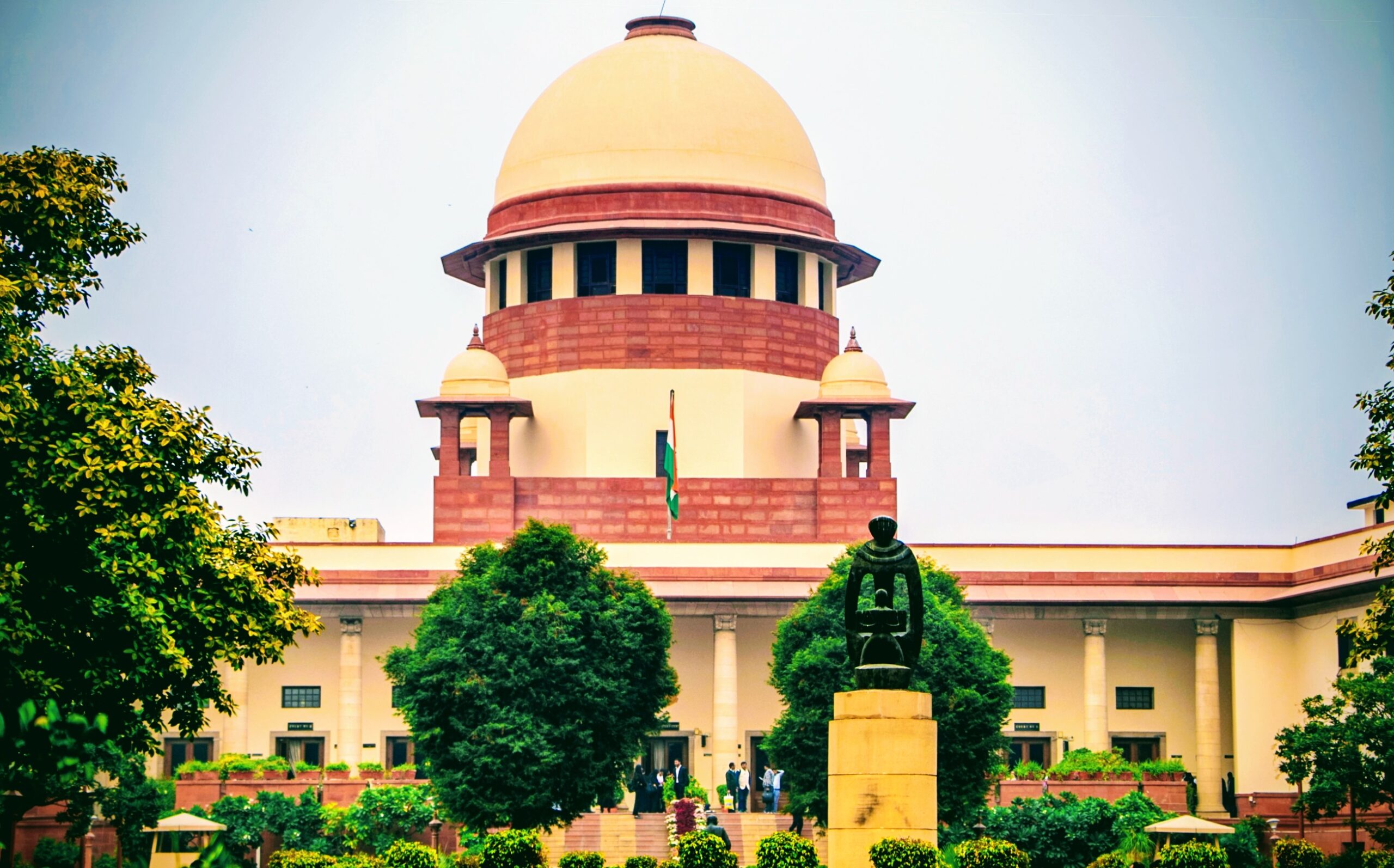
In a significant judgment, the Supreme Court on December 2 affirmed that a divorced Muslim woman is legally entitled to recover cash and gold ornaments that her husband received from her father at the time of marriage. The Court clarified that such property falls within the protection granted under Section 3 of the Muslim Women (Protection of Rights on Divorce) Act, 1986. Setting aside the Calcutta High Court’s contrary view, the Bench held that courts must adopt an interpretation that upholds dignity, equality, and the financial security of divorced Muslim women.
The Supreme Court on Tuesday (December 2) affirmed that a divorced Muslim woman is entitled to recover the cash and gold ornaments received by her husband from her father at the time of marriage under the Muslim Women (Protection of Rights on Divorce) Act, 1986. A bench of Justices Sanjay Karol and N Kotiswar Singh overturned a Calcutta High Court decision that had rejected a divorced Muslim woman’s claim for Rs. 7 lakh and gold ornaments mentioned in the marriage register (qabilnama) as gifts from her father to her ex-husband.
The appellant was married to the respondent in 2005. After their separation in 2009 and divorce in 2011, she initiated proceedings under Section 3 of the 1986 Act seeking recovery of Rs. 17.67 lakh, including Rs. 7 lakhs in cash and 30 bhories of gold recorded in the marriage register as having been given to the bridegroom by her father. The High Court rejected her claim on the basis of a minor inconsistency between the statements of the Kazi (marriage registrar) and the appellant’s father. While the Kazi stated that the marriage register recorded the amount without specifying the recipient, the appellant’s father asserted that the amount had been handed over specifically to the respondent.
The Supreme Court held that the Marriage Registrar’s testimony, supported by the original marriage document, could not simply be brushed aside based on conjecture. The Court observed that the High Court failed to consider the context in which the father’s statement was earlier made during proceedings under Section 498A IPC, which ultimately resulted in the respondent’s acquittal. Therefore, the evidentiary value of that statement could not outweigh that of the marriage registrar.
Interpreting Section 3 of the 1986 Act, the Court emphasized that the law is designed to secure a divorced woman’s financial stability by ensuring that all properties given at the time of marriage whether by her relatives, the husband, or his family remain with her or are recoverable. As per Section 3(1)(d), a divorced Muslim woman is entitled to all properties given to her before, at, or after marriage by relatives, friends, or the husband.
The Court clarified that the section clearly extends to mehr/dower and other properties associated with marriage, enabling a woman to claim these from her husband following divorce. This interpretation, the Bench said, must align with the principles of dignity and autonomy guaranteed under Article 21 of the Constitution.
The Court further noted that equality is a constitutional aspiration that must guide judicial reasoning, especially in matters involving vulnerable groups such as women in smaller towns and rural areas, where patriarchal practices persist. The 1986 Act must therefore be interpreted through the lens of social justice and lived realities.
Finally, the Supreme Court allowed the appeal and directed the respondent to remit the amount directly to the appellant’s bank account. It warned that failure to comply would result in interest accruing at 9% per annum.
Case Description
Case Title: Rousanara Begum vs. S.K. Salahuddin @ Sk Salauddin & Anr
Court: Supreme Court of India
Judgment Date: December 2
Key Issue: Whether a divorced Muslim woman can recover cash and gold given by her father to her husband at the time of marriage
Statute Involved: Muslim Women (Protection of Rights on Divorce) Act, 1986 – Section 3(1)(d)
Outcome: Supreme Court held in favor of the woman, allowing recovery and reinforcing her right to dignity, autonomy, and financial security.
This article cover the question whether ornaments or gifts given by father of the wife in muslims can claim under the act latter further you can read here important judgements and legal principles laid down by Hon’ble supreme court of India, this article is posted by Advocate Shivaji Rathore (J&K high court jammu) for more important legal topics stay connected with us, on tacit legal we post on YouTube channel also named as Tacit Legal helpful for Law students newely enrolled Advocate in India and other states, Follow us on Instagram also, Read our articles on important Questions of Law. #tacitlegal visit my website Tacit Legal dot com and search on google, this website is made from Hostinger and wordpress follow our latest updates for legal news follow us on YouTube also for young lawyers law students helpful for Advocates, this blog is written by Advocate Shivaji Rathore practicing in Jammu and Kashmir high court and district court at Jammu. The website Tacit Legal is available on Google created with Hostinger and wordpress keep in touch and read our daily articles and reporting for law students and advocates as we provide you important legal information on Tacit Legal.in