28-nov-2025 Tacit Legal
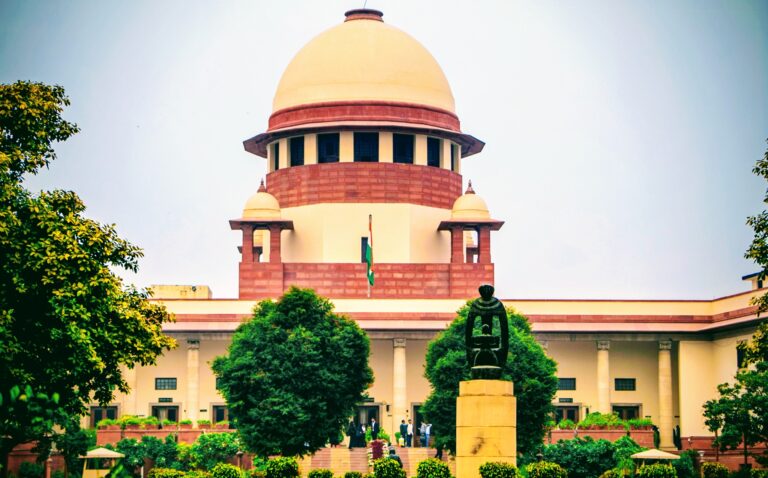
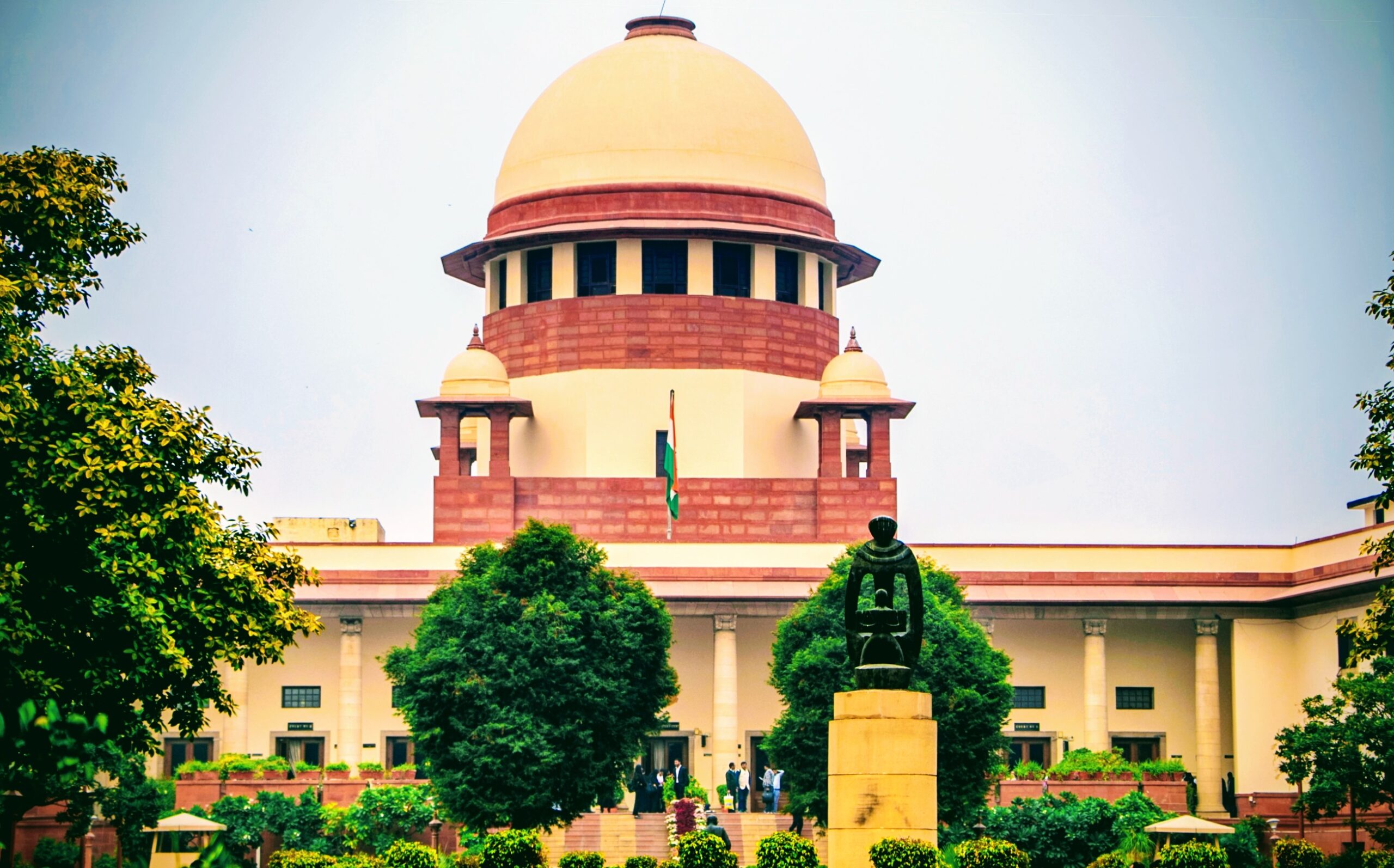
In a significant judgment delivered on Friday, November 28, the Supreme Court of India has once again clarified the law relating to territorial jurisdiction in cheque dishonour cases under Section 138 of the Negotiable Instruments Act, 1881 (NI Act).
A Bench comprising Justice J.B. Pardiwala and Justice R. Mahadevan held that when an account payee cheque is dishonoured, the complaint under Section 138 must be filed only before the court which has jurisdiction over the branch of the bank where the payee maintains their account—that is, the payee’s home branch.
The Court conclusively ruled that even if the cheque is deposited in another branch, for example at a branch near the complainant’s workplace or residence, jurisdiction does not shift. The deeming fiction created under Section 142(2)(a) mandates that the cheque is legally deemed to have been delivered only at the home branch of the payee’s bank.
Statutory Interpretation: Section 142(2)(a) NI Act
Section 142(2)(a), inserted by the Negotiable Instruments (Amendment) Act, 2015, provides:
“The offence under Section 138 shall be inquired into and tried only by a court within whose local jurisdiction the branch of the bank where the payee or holder in due course maintains the account is situated, if the cheque is delivered for collection through an account.”
The Supreme Court emphasized that this clause creates a statutory deeming fiction. Even if the cheque is deposited in a different branch of the same bank, for the purposes of jurisdiction, it is considered as delivered at the home branch of the payee.
The Bench observed:
“It is as clear as a noon day that the jurisdiction to try a complaint under Section 138 in respect of an account payee cheque is vested in the court within whose local jurisdiction the branch of the bank in which the payee maintains the account, i.e., the payee’s home branch, is situated.”
This interpretation ensures certainty, consistency, and prevents forum shopping, which had become a frequent problem before the 2015 amendment.
Why Was This Amendment Necessary? Background Legal Position Before the 2015 amendment, there was considerable judicial confusion on the question of jurisdiction.
1. Dashrath Rupsingh Rathod v. State of Maharashtra (2014) 9 SCC 129In a landmark judgment, a three-Judge Bench held that: Jurisdiction lies only at the place where the cheque is dishonoured, i.e., the drawee bank branch of the drawer. This caused great hardship to payees who had to file cases where the drawer’s bank was located. This decision invalidated earlier positions, including:
2. K. Bhaskaran v. Sankaran Vaidhyan Balan (1999) 7 SCC 510:- Where the Supreme Court had held that five components of the offence could confer jurisdiction (drawing of cheque, presentation, dishonour, notice issuance, or failure to pay).
Parliament’s Response: The 2015 Amendment To reverse the harsh consequences of Dashrath Rathod, Parliament amended Sections 142 and 142-A, restoring convenience to payees. Section 142(2)(a) now clearly states that for account payee cheques, the jurisdiction lies at the payee’s bank branch. Section 142-A further validates past cases filed in such courts.
Supreme Court’s Interpretation in the Present Judgment
The latest ruling reinforces that:
Depositing a cheque at any branch does not create jurisdiction
Jurisdiction is fixed solely based on the payee’s home branch
This applies only when the cheque is “delivered for collection through an account”
The intention of the 2015 amendment is to avoid multiplicity, manipulation, and forum shopping
The Court also stressed that this rule applies irrespective of convenience and cannot be varied on grounds of equity.
Relevant Judicial Precedents Discussed by the Court
The Bench referred to and relied upon several important judgments:
1. Bridgestone India Pvt. Ltd. v. Inderpal Singh (2016) 2 SCC 75:- Held that after the 2015 amendment:- Complaints must be filed at the Court where payee’s bank branch is located.
2. Himanshu v. B. Shivamurthy (2019) 3 SCC 797:- Reiterated that territorial jurisdiction is exclusively determined under amended Section 142(2).
3. Dashrath Rathod (overruled) but referred for context:- Clarified how the confusion prior to 2015 led to legislative intervention.
Impact of the Judgment
1. Uniformity and Predictability:- Litigants now have a clear and unchanging rule for determining jurisdiction.
2. Prevention of Forum Shopping:- Parties cannot choose favourable jurisdictions merely by depositing cheques at convenient branches.
3. Clarity for Financial Institutions:- Banks can confidently process cheques knowing that only the home branch governs jurisdiction.
4. Reduction of Litigation Ambiguity:- Courts at locations where cheques were only incidentally deposited will no longer be burdened with such complaints.
Conclusion
The Supreme Court’s November 28 ruling reaffirms the statutory framework laid down by the 2015 amendments to the NI Act.
The message is unmistakable: For cheque dishonour cases involving account payee cheques, jurisdiction is exclusively tied to the payee’s home branch—no exceptions. This promotes procedural uniformity, discourages misuse of the legal process, and provides clarity to litigants and courts alike.