Shivaji Rathore 20 March 2026
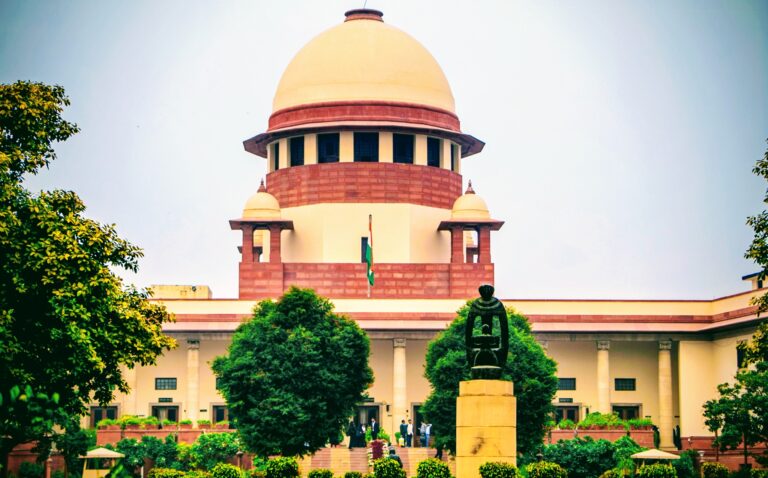
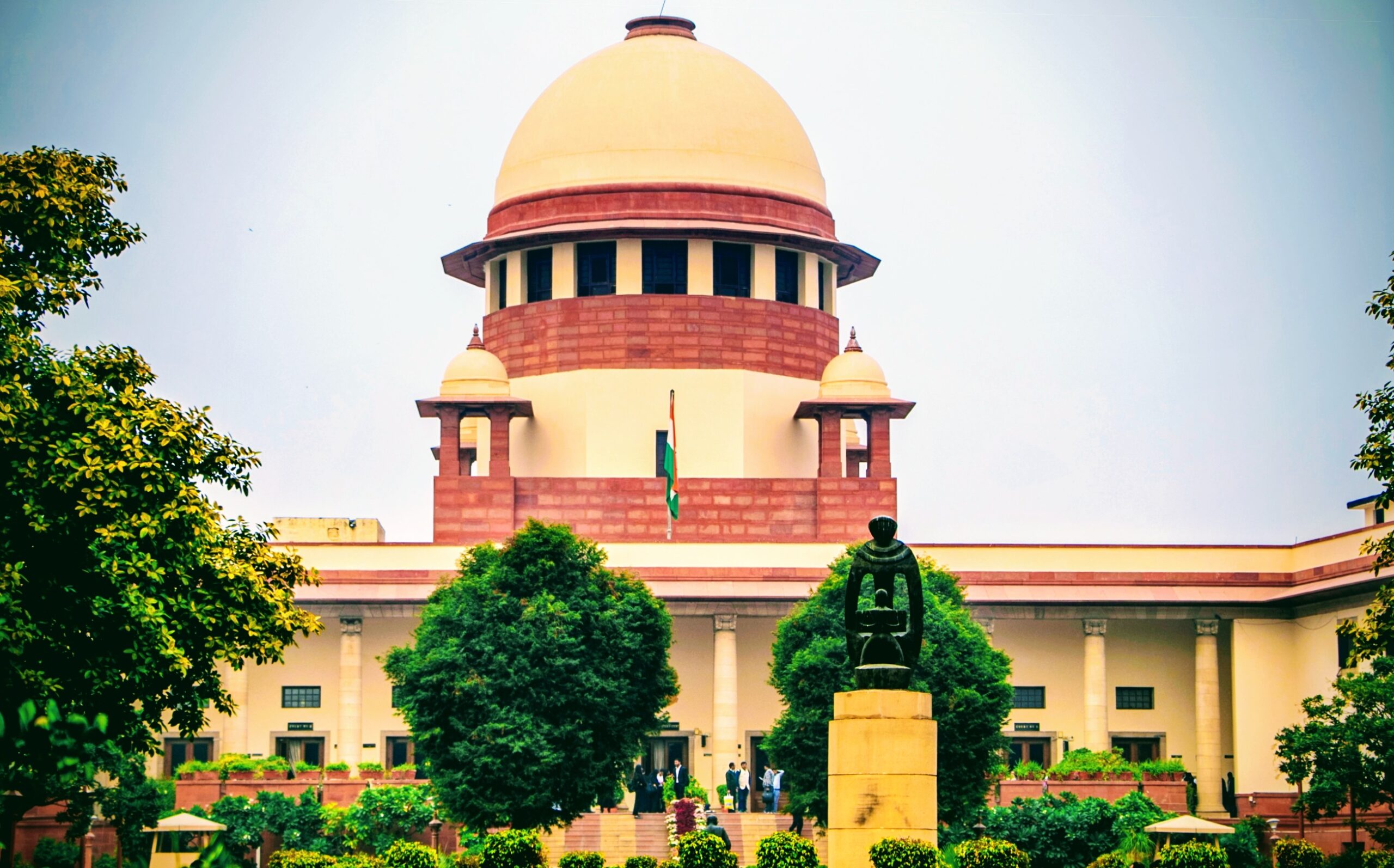
In a significant ruling, the Supreme Court of India quashed criminal proceedings initiated against acclaimed filmmaker and National Award-winning director Sujoy Ghosh, who had been accused of copyright infringement in relation to his film “Kahaani 2: Durga Rani Singh.” The case arose from a complaint filed under Section 63 of the Copyright Act, 1957, alleging that the film was based on a stolen script. The judgment serves as a strong reaffirmation that criminal law cannot be set in motion on the basis of vague, unsubstantiated, and self-serving allegations.
The complaint was filed by Umesh Prasad Mehta before the Chief Judicial Magistrate, Hazaribagh, claiming that he had authored a script titled “Sabak” in 2015 and had shared it with Sujoy Ghosh for professional assistance. It was alleged that the said script was subsequently used to produce Kahaani 2, which was released in 2016. On this basis, the complainant sought to invoke criminal liability for copyright infringement. However, Ghosh denied these allegations in toto, asserting that he had neither met the complainant nor received any such script, and that his work on Kahaani 2 had commenced much earlier, with the script being written and registered between 2012 and 2013.
The Magistrate proceeded to issue summons against Ghosh, holding that a prima facie case was made out under Section 63 of the Act. A petition under Section 482 CrPC seeking quashing of the proceedings was dismissed by the Jharkhand High Court on the ground that the veracity of the allegations could only be tested during trial. Aggrieved by this refusal, Ghosh approached the Supreme Court.
Upon examining the record, the Supreme Court found that the complaint contained only bald and general allegations without identifying any specific portion of the script allegedly copied. Neither the complaint nor the statements of the complainant’s witnesses pointed out any concrete similarity between the two works. The Court emphasized that such vague assertions are insufficient to constitute even a prima facie case of copyright infringement.
The Court further held that the issuance of summons in a criminal case is a serious matter and must reflect due application of judicial mind. In the present case, the Magistrate failed to record any satisfaction regarding the existence of similarity between the works and proceeded in a mechanical manner. This, according to the Court, rendered the summoning order legally unsustainable.
A significant aspect noted by the Court was the suppression of a crucial finding by the Screen Writers Association, which had already examined both scripts through an expert committee and concluded that there was no similarity between them. This determination, made prior to the issuance of summons, was not disclosed by the complainant, thereby undermining the credibility of the allegations.
Equally important was the undisputed timeline of creation. The Court recorded that the appellant’s script for Kahaani 2 had been conceptualized and registered between 2012 and 2013, whereas the complainant’s script came into existence only in 2015. In such circumstances, the Court categorically held that the question of copyright infringement did not arise at all, as the complainant’s work was not even in existence at the time the appellant had created and registered his screenplay.
In light of these findings, the Supreme Court concluded that the proceedings were manifestly frivolous, vexatious, and an abuse of the process of law. It reiterated that in such cases, courts are not bound to confine themselves merely to the averments in the complaint but may examine the surrounding circumstances and material on record to prevent miscarriage of justice. The Court accordingly quashed the summoning order passed by the Chief Judicial Magistrate, set aside the order of the Jharkhand High Court, and terminated all criminal proceedings against Sujoy Ghosh.
This judgment reinforces the principle that criminal law cannot be used as a tool of harassment in intellectual property disputes. It highlights the necessity for Magistrates to carefully scrutinize the material before issuing process and to ensure that a prima facie case is made out with specific and substantiated allegations. The ruling also underscores that courts, particularly while exercising jurisdiction under Section 482 CrPC, have a duty to intervene where proceedings are patently frivolous or malicious.
The decision stands as an important precedent for safeguarding creative professionals from unwarranted criminal litigation and for maintaining the integrity of the judicial process by preventing its misuse.
Case details:- in Sujoy Ghosh v. State of Jharkhand (SLP (Crl.) No. 9452/2025)