Shivaji Rathore 20-Dec-2025
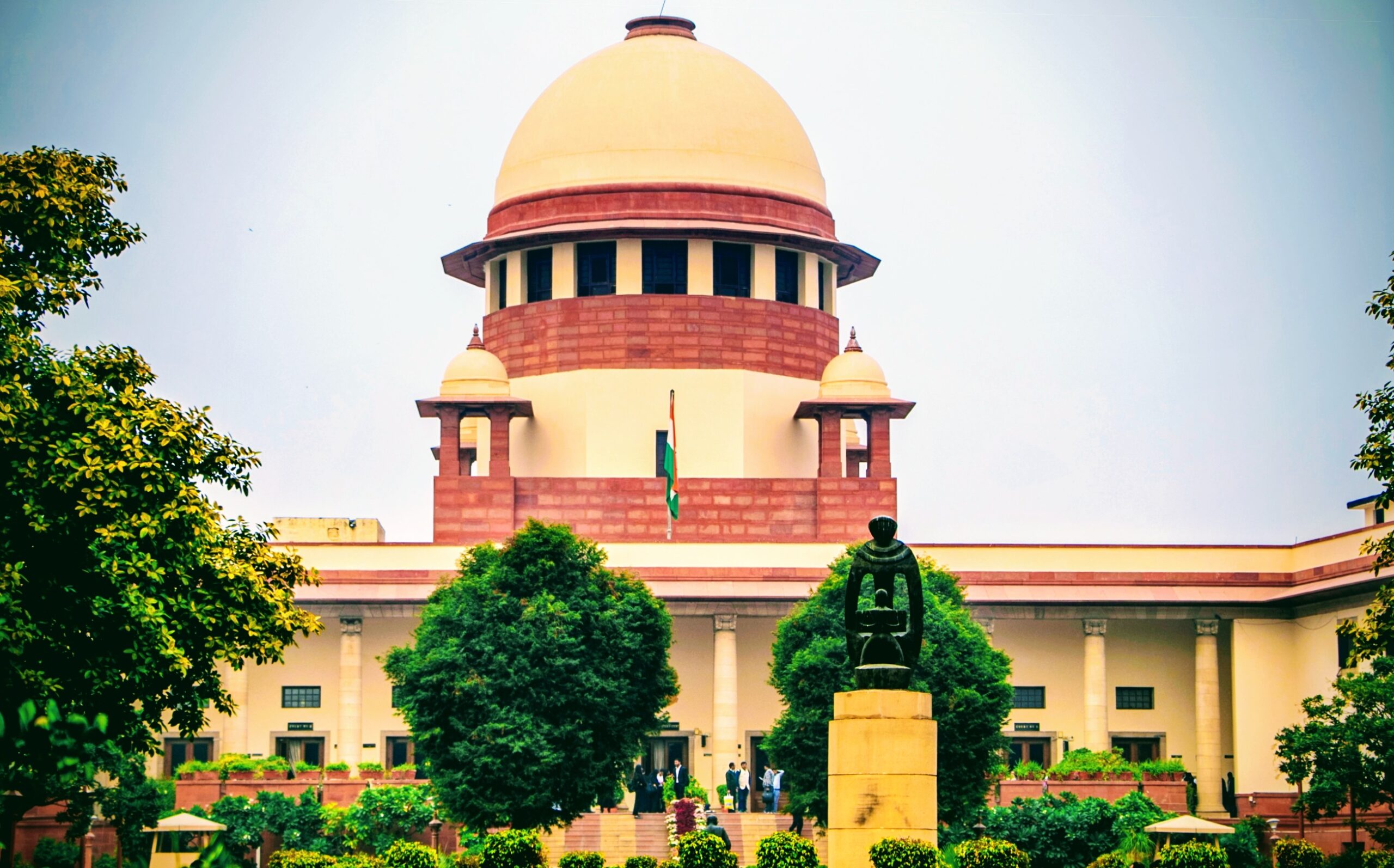
Statutory Presumption Under Section 139 NI Act Cannot Be Diluted at Threshold Stage In a significant reaffirmation of settled criminal jurisprudence under the Negotiable Instruments Act, 1881, the Supreme Court of India, on 19 December 2025, held that High Courts cannot quash cheque dishonour proceedings by undertaking a roving or pre-trial enquiry into disputed questions of fact, particularly when the statutory presumption under Section 139 operates in favour of the complainant. A Bench comprising Justice Manoj Misra and Justice Ujjal Bhuyan set aside a judgment of the Patna High Court, which had quashed a cheque dishonour complaint by invoking its inherent powers under Section 482 of the Code of Criminal Procedure. The Supreme Court categorically ruled that such an approach was legally impermissible and contrary to well-settled principles governing quashing of criminal proceedings.
Background of the Case
The matter arose from a complaint filed under Section 138 of the Negotiable Instruments Act, alleging dishonour of cheque issued towards discharge of a legally enforceable debt or liability. The accused approached the Patna High Court seeking quashing of the complaint and summoning order under Section 482 CrPC. The High Court, while entertaining the petition, examined whether the cheque was in fact issued for the discharge of any debt or liability and concluded that no such liability existed, thereby quashing the proceedings at the threshold stage.
Aggrieved by this interference, the complainant approached the Supreme Court.
Supreme Court’s Core Issue
The central question before the Court was:
Whether the High Court, while exercising inherent jurisdiction under Section 482 CrPC, can undertake a pre-trial enquiry into disputed facts relating to the existence of debt or liability in a cheque dishonour case, despite the statutory presumption under Section 139 NI Act?
High Court Cannot Conduct “Roving Enquiry” at Pre-Trial Stage
Answering the issue in the negative, the Supreme Court strongly disapproved the approach adopted by the High Court. The Bench observed:
“We are of the considered view that the High Court committed an error by conducting a roving enquiry, at the pre-trial stage, as regards the cheque being issued for the discharge of debt or liability.”
The Court clarified that once the complaint discloses the essential ingredients of Section 138 NI Act, the High Court cannot appreciate evidence or determine factual disputes at the threshold. Prima Facie Case Is the Only Test at Quashing Stage Reiterating settled law, the Supreme Court emphasized that at the stage of quashing, the Court is only required to see whether: The allegations in the complaint, and The materials placed in support prima facie disclose the commission of an offence.
The Bench observed:
“If upon reading the complaint allegations and perusing the materials filed in support thereof, a prima facie case is made out, the complaint cannot be quashed, particularly by appreciating the evidence on record, because the stage for such appreciation is at the trial.”
Thus, evaluation of defence pleas or disputed facts falls squarely within the domain of trial.
Section 139 NI Act: Mandatory Presumption in Favour of Complainant A crucial aspect of the judgment is the Court’s reiteration of the mandatory presumption under Section 139 of the NI Act, which provides that:
The holder of a cheque shall be presumed to have received the cheque for the discharge, in whole or in part, of any debt or other liability. Justice Manoj Misra, authoring the judgment, observed:
“This presumption can be rebutted by evidence led in trial. A fortiori, the said issue can appropriately be decided either at the trial, or later, upon conclusion of trial, by the appellate or revisional court.”
The Court made it clear that the presumption cannot be neutralized or diluted at the pre-trial stage by invoking Section 482 CrPC.
Limits of Inherent Powers Under Section 482 CrPC
The ruling reinforces the well-defined boundaries of inherent jurisdiction under Section 482 CrPC. The Supreme Court clarified that: Section 482 is meant to prevent abuse of process of law, not to short-circuit trials.
High Courts cannot assume the role of a trial court by weighing evidence. Disputed questions of fact must be adjudicated through full-fledged trial. Any premature interference, especially in economic offences like cheque dishonour, undermines the legislative intent of the NI Act. Supreme Court’s Final Directions Allowing the appeal, the Supreme Court:
Set aside the Patna High Court judgment
Restored the criminal complaint to the file of the concerned Magistrate Directed that the matter be proceeded with in accordance with law Legal Significance of the Judgment This judgment carries far-reaching implications: Reaffirms the strength of statutory presumptions under the NI Act
Acts as a caution to High Courts against excessive use of Section 482 Protects the summary nature and efficacy of cheque dishonour proceedings Prevents accused persons from evading trial through premature quashing petitions The ruling strengthens the credibility of cheque transactions and reinforces judicial discipline in dealing with economic offences.
Conclusion
The Supreme Court’s decision in M/s Sri Om Sales v. Abhay Kumar @ Abhay Patel & Anr. is a clear restatement of law that cheque dishonour complaints cannot be scuttled at the threshold by conducting mini-trials under the guise of inherent powers.
By emphasizing that rebuttal of presumption under Section 139 is a matter of trial, the Court has once again upheld the object of the Negotiable Instruments Act ensuring confidence in commercial transactions and deterrence against financial default.
Case Details
Cause Title: M/s Sri Om Sales v. Abhay Kumar @ Abhay Patel & Anr.
Court: Supreme Court of India
Bench: Justice Manoj Misra & Justice Ujjal Bhuyan
Citation: 2025 LiveLaw (SC) 1236
- How to Defreeze Bank Accounts Frozen by Cyber Cell or Police: Landmark Judgments & Legal Remedies
 Shivaji Rathore 23 March 2026 Freezing of bank accounts by Cyber Cells and Police Authorities has become a
 - Section 302 vs Section 304 IPC: Distinction at the Stage of Framing Charge
 J&K High Court holds that intent and premeditation cannot be ruled out at charge stage based on limited
 - Criminal Conspiracy under IPC: Meeting of Minds and Legal ThresholdNot Just Agreement, But Intent: The Law on Criminal Conspiracy Shivaji Rathore 21 March 2026 The High Court
- Revisional Jurisdiction of High Court in Charge/Discharge Orders: A Narrow and Exceptional Power
 Shivaji Rathore 21 March 2026 The High Court of Jammu & Kashmir and Ladakh has reiterated the settled
 - Framing of Charge vs Discharge: Limits of Judicial Scrutiny at the Threshold StageHigh Court Reiterates: No Mini-Trial at the Stage of Framing Charges Shivaji Rathore 21 March 2026 The High