Shivaji Rathore 31-Dec-2025
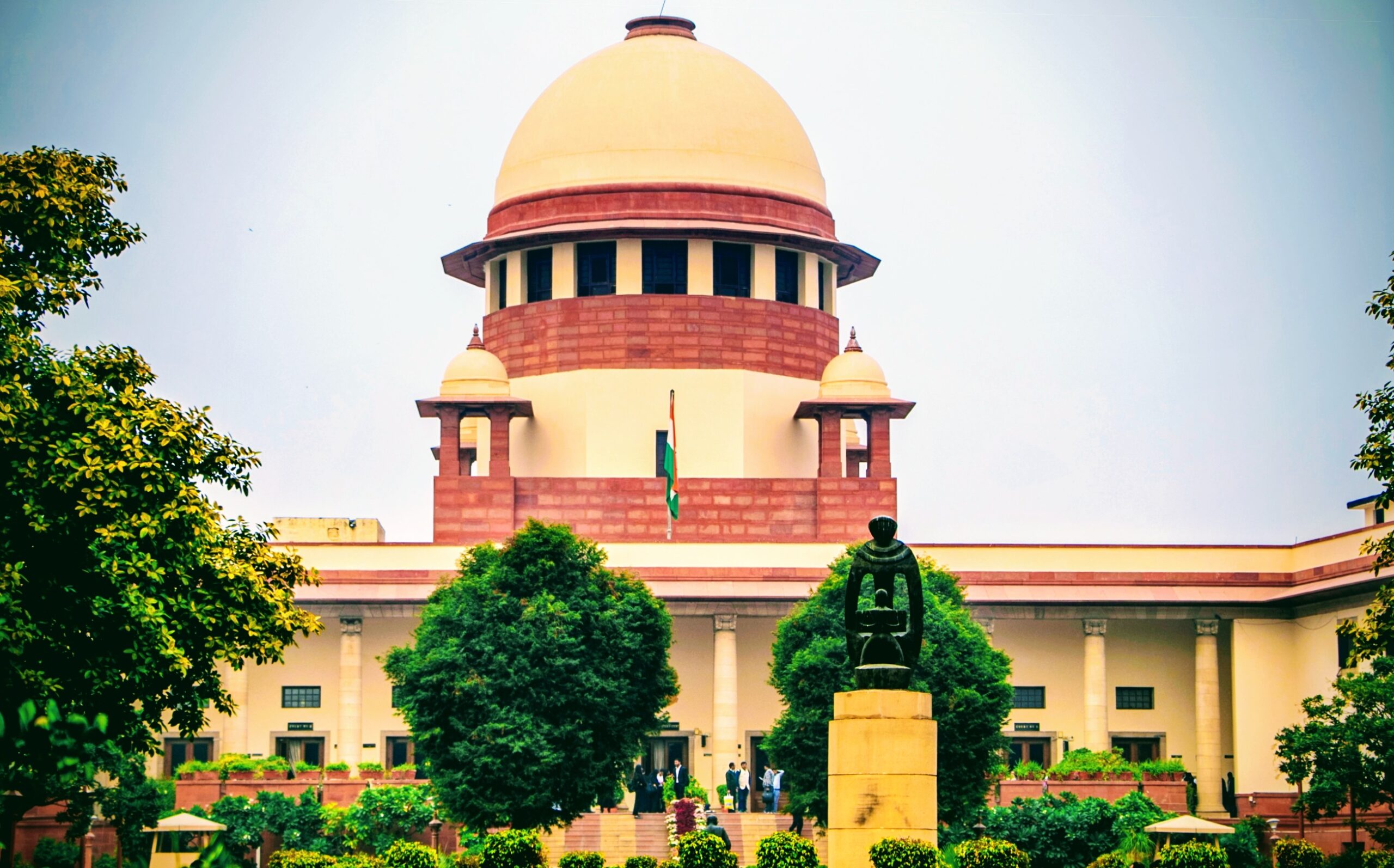
In a significant reaffirmation of personal liberty and procedural safeguards, the Supreme Court of India has recently set aside the arrest and remand of an accused, holding that non-furnishing of the grounds of arrest in writing, as mandated under Section 50 of the Code of Criminal Procedure, 1973 (CrPC), renders the arrest legally unsustainable.
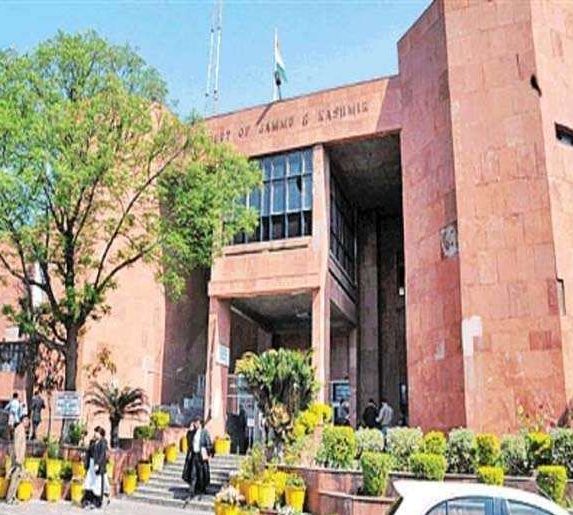
Background of the Case:- The ruling was delivered by a Bench comprising Justice M.M. Sundresh and Justice Rajesh Bindal in Ashish Kakkar v. UT of Chandigarh (Criminal Appeal No. 1518 of 2025). The appellant had been arrested in December 2024 in connection with an FIR registered under Sections 384, 420, 468, 471, 509 and 120-B of the Indian Penal Code, and was subsequently remanded to police custody for three days. Aggrieved, the appellant challenged his arrest and remand before the Punjab and Haryana High Court, which declined to entertain his plea. This led to an appeal before the Supreme Court.
Grounds of Challenge:-
Before the Supreme Court, the appellant assailed his arrest and remand on three principal grounds:
Non-compliance with Section 41A CrPC Denial of an effective opportunity of being heard at the time of remand Failure to furnish the grounds of arrest in writing, in violation of Section 50 CrPC The Supreme Court confined its examination to the third ground, which it found sufficient to decide the appeal.
Arrest Memo Is Not “Grounds of Arrest”
The Court noted that what had been supplied to the appellant was merely an arrest memo, which contained only skeletal information such as the name of the accused, the place of arrest, and a vague statement that the arrest was based on the disclosure of a co-accused. Crucially, the memo did not disclose any worthwhile particulars, including the specific accusations or charges against the appellant. The Bench categorically held that such an arrest memo cannot be equated with “grounds of arrest” as required under Section 50 CrPC.
The Court observed:-
The said arrest memo cannot be construed as grounds of arrest, as no other worthwhile particulars have been furnished to him. This is a clear non-compliance of the mandate under Section 50 of the Code, which has been introduced to give effect to Article 22(1) of the Constitution of India.”
Reliance on Prabir Purkayastha v. State (2024)
The Bench placed strong reliance on its earlier landmark decision in Prabir Purkayastha v. State (NCT of Delhi) (2024) 8 SCC 254, wherein it was unequivocally held that supplying the grounds of arrest in writing is a mandatory requirement. Any deviation from this mandate would vitiate both the arrest and the subsequent remand. Reiterating the constitutional underpinning of Section 50 CrPC, the Court emphasized that the provision operationalises Article 22(1) of the Constitution of India, which guarantees every arrested person the right to be informed, as soon as may be, of the grounds of arrest.
Supreme Court’s Decision
In light of the clear statutory and constitutional violation, and guided by the ratio in Prabir Purkayastha, the Supreme Court set aside the impugned judgment of the High Court, along with the arrest and remand of the appellant.
Legal Significance
This judgment once again sends a strong message to investigating agencies that procedural safeguards are not mere formalities. The requirement to furnish detailed grounds of arrest in writing is a substantive right of the accused, and failure to comply will strike at the very root of the arrest. The ruling reinforces the principle that personal liberty cannot be curtailed on vague, mechanical or cryptic grounds, and that courts will not hesitate to intervene where constitutional and statutory mandates are breached.
Case Details:
Ashish Kakkar v. UT of Chandigarh
Criminal Appeal No. 1518 of 2025
Decision Date: March 2025