Bench Flags Serious Procedural Lapses in Accused’s Section 313 CrPC Examination
03-Dec-2025
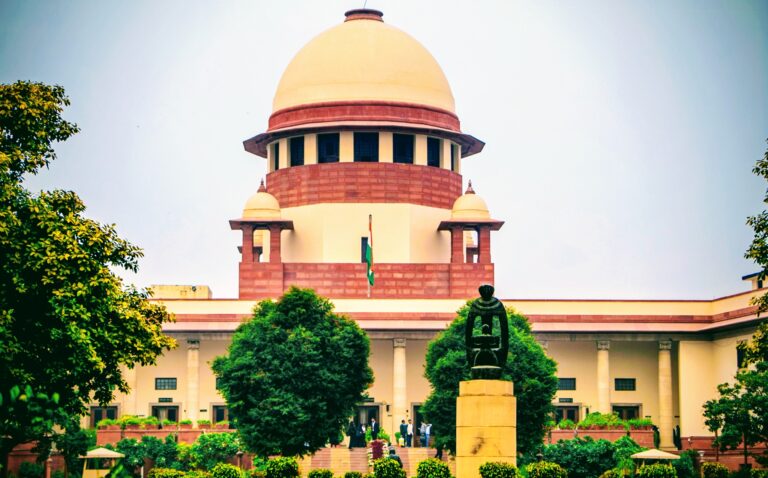
In a significant judgment delivered on Monday (December 1), the Supreme Court of India set aside the murder convictions of three individuals after finding glaring procedural lapses during their trial. The Court strongly criticised the conduct of the Public Prosecutor, noting that prosecutors must act independently in the interest of justice and not behave like defence lawyers for the State seeking conviction at any cost.
The bench comprising Justices Sanjay Karol and N. Kotiswar Singh held that the accused were not confronted with all the material allegations during their examination under Section 313 CrPC, rendering the entire exercise mechanical, superficial, and unfair. The Court noted that the identical and generic answers provided by the accused clearly established that the trial court had not put all incriminating circumstances to them.
Calling this a serious violation that undermines the fairness of criminal trials, the Supreme Court remanded the matter back to the trial court to restart proceedings afresh from the stage of Section 313 CrPC examination. The Court also expressed displeasure over the prosecutor’s failure to bring these lapses to the notice of the trial court, stressing that it is the prosecution’s duty to assist the court rather than merely seek conviction.
Case details:-
The Supreme Court on Monday (December 1) overturned the convictions of three individuals in a murder case while raising serious concerns about the conduct of public prosecutors during trial proceedings. The bench of Justices Sanjay Karol and N. Kotiswar Singh observed that public prosecutors are expected to act independently and assist the court in achieving justice rather than act merely as representatives of the State determined to secure a conviction at all costs.
The case reached the Supreme Court after the appellants challenged their conviction in a murder trial. During the proceedings, the Court noted that the accused had not been confronted with the full range of allegations against them during their examination under Section 313 of the CrPC. This exercise, essential to ensuring a fair trial, was conducted in a generic, mechanical manner. All three accused had been asked virtually identical questions, and the failure to put material circumstances to them amounted to a serious procedural defect.
Highlighting this irregularity, the Court held that such non-compliance with Section 313 CrPC undermined the fairness of the entire trial, making the conviction unsustainable. The Court accordingly set aside the convictions and remanded the matter to the trial court with directions to resume proceedings afresh from the stage of recording statements under Section 313 CrPC.
The Court strongly criticised the prosecution, noting that it failed in its solemn duty to assist the court. It emphasised that a public prosecutor is an officer of the court and must work to ensure justice is served, not merely strive for convictions. The bench referred to the precedent set in Sovaran Singh Prajapati v. State of U.P., reiterating that prosecutors cannot behave as defence lawyers for the State but must ensure a fair and impartial trial.
The Court also relied on its observations in Ashok v. State of Uttar Pradesh, where it had elaborated the role of the public prosecutor, including the duty to assist the trial court in examining the accused under Section 313 CrPC. It held that if any material circumstance brought on record is omitted during this stage, the public prosecutor must bring it to the court’s attention and assist in framing appropriate questions. The Supreme Court emphasised that while it is the duty of the prosecutor to ensure the guilty are punished, it is equally his duty to ensure that no procedural lapses prejudice the accused or vitiate the trial.
In this case, the Court was disturbed by the prosecutor’s conduct, observing that the desire to secure a conviction had overshadowed the duty to ensure fairness. The bench remarked that the prosecution allowed procedural defects to pass unnoticed, thereby compromising the integrity of the trial itself. The Supreme Court ultimately found the convictions unsafe and directed the trial court to resume proceedings from the stage of Section 313 CrPC compliance.
Case Description
Case Title: Chandan Pasi & Ors. vs. The State of Bihar
Date of Judgment: December 1, 2025
Bench: Justice Sanjay Karol, Justice N. Kotiswar Singh
Key Issue: Non-compliance with Section 313 CrPC; Prosecutor’s duty to assist court; Fair trial rights of accused
Result: Convictions set aside and matter remanded for fresh proceedings from Section 313 CrPC stage.
This article cover the point of prosecution to act independently and refered case back to trial court for conducting trial after statement of accused further you can read here important judgements and legal principles laid down by Hon’ble supreme court of India, this article is posted by Advocate Shivaji Rathore (J&K high court jammu) for more important legal topics stay connected with us, on tacit legal we post on YouTube channel also named as Tacit Legal helpful for Law students newely enrolled Advocate in India and other states, Follow us on Instagram also, Read our articles on important Questions of Law. #tacitlegal visit my website Tacit Legal dot com and search on google, this website is made from Hostinger and wordpress follow our latest updates for legal news follow us on YouTube also for young lawyers law students helpful for Advocates, this blog is written by Advocate Shivaji Rathore practicing in Jammu and Kashmir high court and district court at Jammu. The website Tacit Legal is available on Google created with Hostinger and wordpress keep in touch and read our daily articles and reporting for law students and advocates as we provide you important legal information on Tacit Legal.in