14 Mrach 2026
The Union Government has revoked the preventive detention of noted environmental activist and innovator Sonam Wangchuk under the National Security Act (NSA), stating that the move was aimed at restoring peace and creating an atmosphere conducive to dialogue in the Union Territory of Ladakh.
Background of the Detention
According to an official statement issued by the government, Wangchuk was detained on September 26, 2025, following a serious law-and-order situation that reportedly arose in Leh on September 24, 2025. The preventive detention order was issued by the District Magistrate, Leh, under the provisions of the NSA with the objective of maintaining public order in the region.
The NSA empowers authorities to detain individuals preventively if their actions are considered a threat to national security, public order, or the maintenance of essential services. Under the law, such detention can extend up to 12 months, subject to review by an advisory board.
The government noted that Wangchuk had already undergone nearly half of the maximum permissible detention period under the statute before the decision to revoke the order was taken.
Challenge Before the Supreme Court
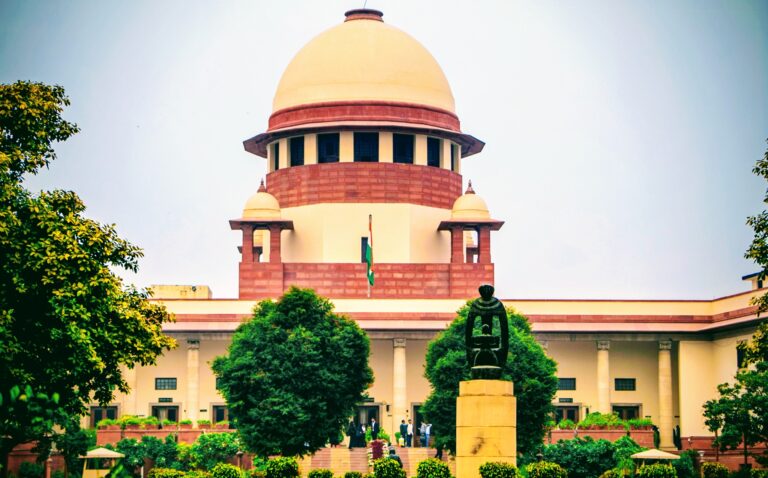
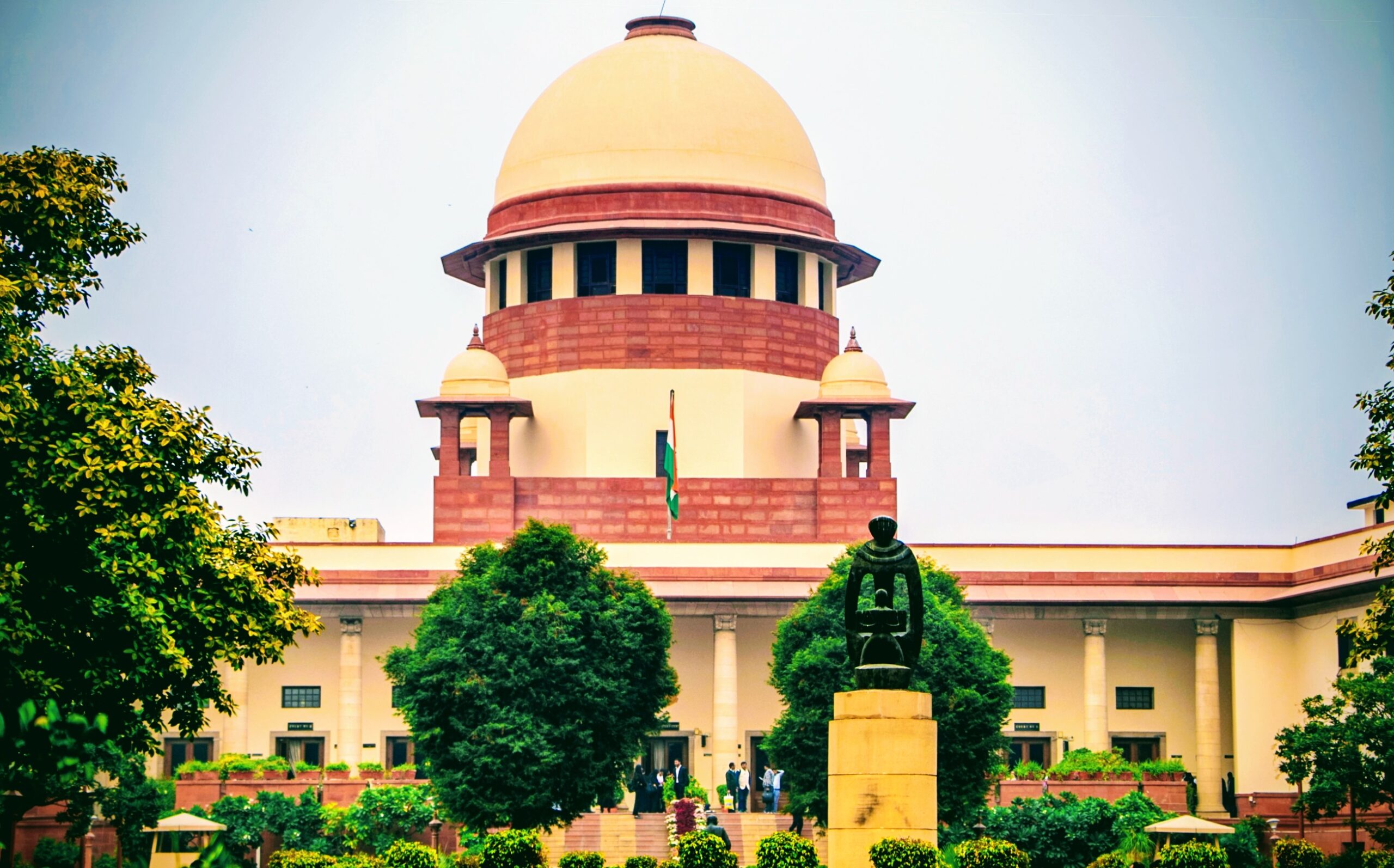
The detention had been challenged before the Supreme Court of India through a habeas corpus petition filed by Wangchuk’s wife, Dr. Gitanjali Angmo, soon after his arrest. Following his detention, Wangchuk was transferred to the Jodhpur Central Jail.
The matter has been under judicial consideration since October last year and is listed for further hearing on March 17 before a bench comprising Justice Aravind Kumar and Justice Prasanna B. Varale of the Supreme Court.
Arguments Raised Against the Detention
During the proceedings, Senior Advocate Kapil Sibal, appearing for Angmo, questioned the legality of the detention order. It was argued that all relevant materials forming the basis of the detention had not been supplied to Wangchuk, thereby violating procedural safeguards guaranteed under preventive detention laws.
A key point of contention related to certain videos of speeches allegedly delivered by Wangchuk, which the administration claimed were inflammatory. While authorities maintained that a pen drive containing the videos had been provided to the detainee, the Court sought clarification on whether Wangchuk had actually been given a reasonable opportunity to view the contents.
The Supreme Court also observed during the hearing that the administration might have been “reading too much into” Wangchuk’s speeches, suggesting that the interpretation of his remarks required careful scrutiny. The bench further noted discrepancies in the translations of the speeches relied upon by the authorities.
Implications of the Revocation
The government has indicated that revoking the detention order is intended to facilitate dialogue and reduce tensions in Ladakh. The development comes amid continued discussions around governance, environmental protection, and regional autonomy in the Union Territory.
The case has also drawn attention to broader legal questions concerning the use of preventive detention laws, the procedural safeguards available to detainees, and the judicial scrutiny exercised by constitutional courts in such matters.
With the detention now revoked, the proceedings before the Supreme Court may focus on the legal issues raised in the habeas corpus petition and the circumstances surrounding the initial detention order.