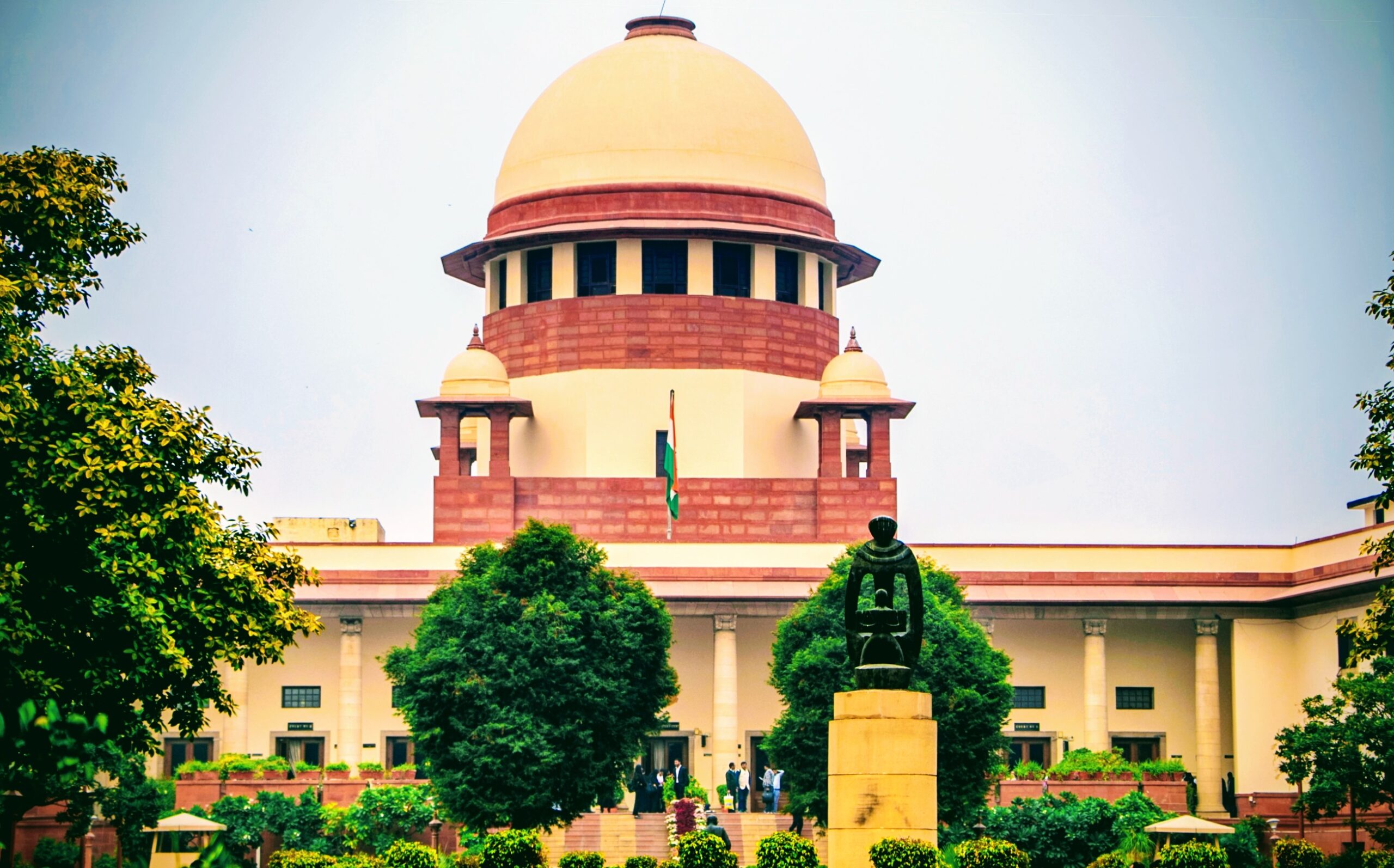
Supreme court:- in 138 Negotiable instrument act cases
Case: M/s Celestium Financial v. A. Gnanasekaran & Ors.
Citation: 2025 LiveLaw (SC) 666
Bench: Justice B.V. Nagarathna & Justice Satish Chandra Sharma
Date of Judgment: 8 April 2025
In a landmark judgment that significantly clarifies the appellate rights of complainants in cheque dishonour cases, the Supreme Court has held that a complainant in a case under Section 138 of the Negotiable Instruments Act (NI Act) can file an appeal against acquittal as a “victim” under the proviso to Section 372 of the Code of Criminal Procedure (CrPC) — without seeking special leave under Section 378(4) CrPC. This ruling marks a major shift from the earlier practice where complainants in cheque bounce cases were required to obtain prior leave from the High Court before filing an appeal against acquittal.
Background of the Case
The appellant, M/s Celestium Financial, a finance firm, had advanced loans to the respondents who issued several cheques in repayment. When the cheques were dishonoured for “insufficient funds,” the appellant filed complaints under Section 138 NI Act before the Judicial Magistrate, Alandur. The trial court acquitted the accused, holding that the complainant failed to prove the existence of a legally enforceable debt. The appellant approached the Madras High Court seeking special leave to appeal under Section 378(4) CrPC, but the High Court refused to grant it.
Aggrieved, the complainant approached the Supreme Court, contending that it should be treated as a “victim” of the offence under Section 138 NI Act and therefore entitled to appeal under the proviso to Section 372 CrPC, without obtaining leave.
Legal Issue
Whether a complainant in a cheque dishonour case under Section 138 NI Act, being a private complainant, can appeal against an order of acquittal under proviso to Section 372 CrPC as a “victim,” or must necessarily seek special leave under Section 378(4) CrPC.
Supreme Court’s Findings
The Court analyzed the definitions of “complainant” and “victim” under Sections 2(d) and 2(wa) of CrPC, and held that: The complainant in a cheque dishonour case is indeed a victim, having suffered financial loss due to the dishonour of a cheque.
The term “victim” is broad and includes any person who suffers loss or injury by reason of an act or omission for which the accused is charged.
Hence, the complainant in a Section 138 NI Act case qualifies as a victim within the meaning of Section 2(wa) CrPC.
The Court ruled that:
“A complainant in a cheque dishonour case for the offence under Section 138 of the Negotiable Instruments Act is a ‘victim’ within the meaning of Section 2(wa) of the CrPC. The complainant can proceed as per the proviso to Section 372 CrPC. Complainant need not invoke Section 378(4) CrPC and could file appeal as ‘victim’ as per Section 372 proviso.” (Para 7.11)
Key Takeaways from the Judgment
1. Complainant = Victim:
The payee or holder of a dishonoured cheque is considered a “victim” under Section 2(wa) CrPC.
2. No Need for Leave Under Section 378(4):
Such complainants can appeal directly under the proviso to Section 372 CrPC against acquittal, without obtaining prior special leave.
3. Right to Appeal is Substantive:
The right of a victim to appeal is a statutory right, not dependent on the discretion of the High Court.
4. Section 372 Proviso is Independent:
Parliament intended the proviso to Section 372 to create an independent right of appeal for victims, free from the procedural barriers imposed under Section 378(4) CrPC.
Significance of the Judgment
This decision harmonizes the rights of complainants under the NI Act with the rights of victims of other criminal offences. It prevents procedural hurdles that previously left complainants remediless against wrongful acquittals in cheque bounce cases.
By recognizing complainants as victims, the Supreme Court has ensured equal access to appellate justice for those financially wronged by dishonoured cheques.
This ruling will also streamline appellate procedures across High Courts and reduce unnecessary petitions seeking special leave.
The Supreme Court’s ruling in M/s Celestium Financial v. A. Gnanasekaran reinforces victim-centric justice by holding that a complainant in a Section 138 NI Act case need not seek leave under Section 378 CrPC to appeal an acquittal.
This judgment will have far-reaching implications, simplifying the appellate process in cheque bounce cases and upholding the legislative intent behind the 2009 amendment introducing the victim’s right to appeal under Section 372 CrPC.
Keywords
#SupremeCourt #NegotiableInstrumentsAct #Section138 #ChequeBounce #CrPC372 #CrPC378 #VictimRights #CelestiumFinancial #ChequeDishonourCase #LegalNews #TacitLegal #ShivajiRathore
This article cover the question of law whether in 138 negotiable instrument act appeal can be preferred by victim/complainant without taking leave of court . further you can read here important judgements and legal principles laid down by Hon’ble supreme court of India, this article is posted by Advocate Shivaji Rathore (J&K high court jammu) for more important legal topics stay connected with us, on tacit legal we post on YouTube channel also named as Tacit Legal helpful for Law students newely enrolled Advocate in India and other states, Follow us on Instagram also, Read our articles on important Questions of Law. #tacitlegal visit my website Tacit Legal dot in search on google, this website is made from Hostinger and wordpress follow our latest updates for legal news follow us on YouTube also for young lawyers law students helpful for Advocates, this blog is written by Advocate Shivaji Rathore practicing in Jammu and Kashmir high court and district court at Jammu. The website Tacit Legal is available on Google created with Hostinger and wordpress keep in touch and read our daily articles and reporting for law students and advocates as we provide you important legal information on Tacit Legal.in
Author: Advocate Shivaji Rathore
(Founder – Tacit Legal | tacitlegal.in)
- Summary Judgment in Commercial Suits: A Powerful Tool Under Order XIII-A CPC2 May 2026 The introduction of Order XIII-A into the Code of Civil Procedure, 1908 through the Commercial Courts Act,…
- Delhi High Court Convicts YouTuber for Criminal Contempt: Limits of Free Speech in Judicial CriticismIn a significant ruling reinforcing the boundaries of free speech, the Delhi High Court has convicted a YouTuber for criminal…
- Supreme Court Mandates Disclosure Norms in Bail Applications: A Step Towards Transparency in Bail JurisprudenceShivaji Rathore 27-04-2026 In a significant development aimed at enhancing transparency, uniformity, and fairness in bail adjudication, the Supreme Court…
- Discharge by Criminal Court Bars Administrative Action Under Air Force LawShivaji Rathore 17 April 2026 In a significant development in service jurisprudence under military law has clarified the limits of…
- Delhi High Court: Dried Leaves and Small Branches Not ‘Ganja’ Under NDPS Act; Bail GrantedShivaji Rathore 17 April 2026 The Delhi High Court has recently delivered a significant ruling clarifying the scope of the…