In a significant ruling reinforcing the boundaries of free speech, the Delhi High Court has convicted a YouTuber for criminal contempt of court. The Court held that certain videos and banners published on a YouTube channel titled “Fight 4 Judicial Reforms” contained derogatory and scandalous remarks against judges, thereby undermining public confidence in the judiciary.
This judgment highlights an important constitutional balanc, freedom of speech versus protection of judicial integrity.
Background of the Case
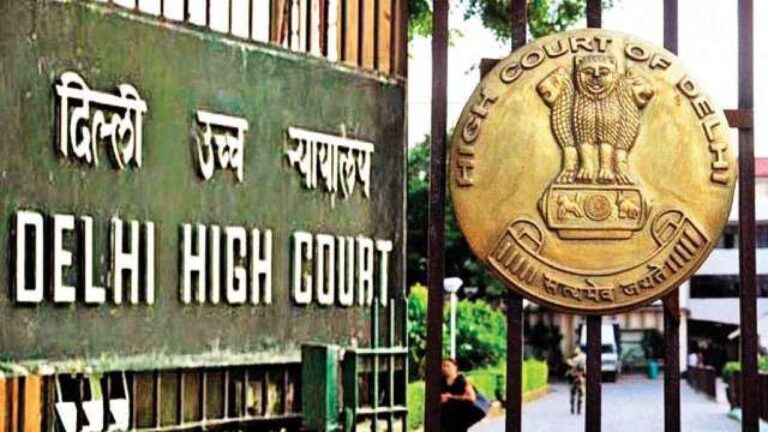
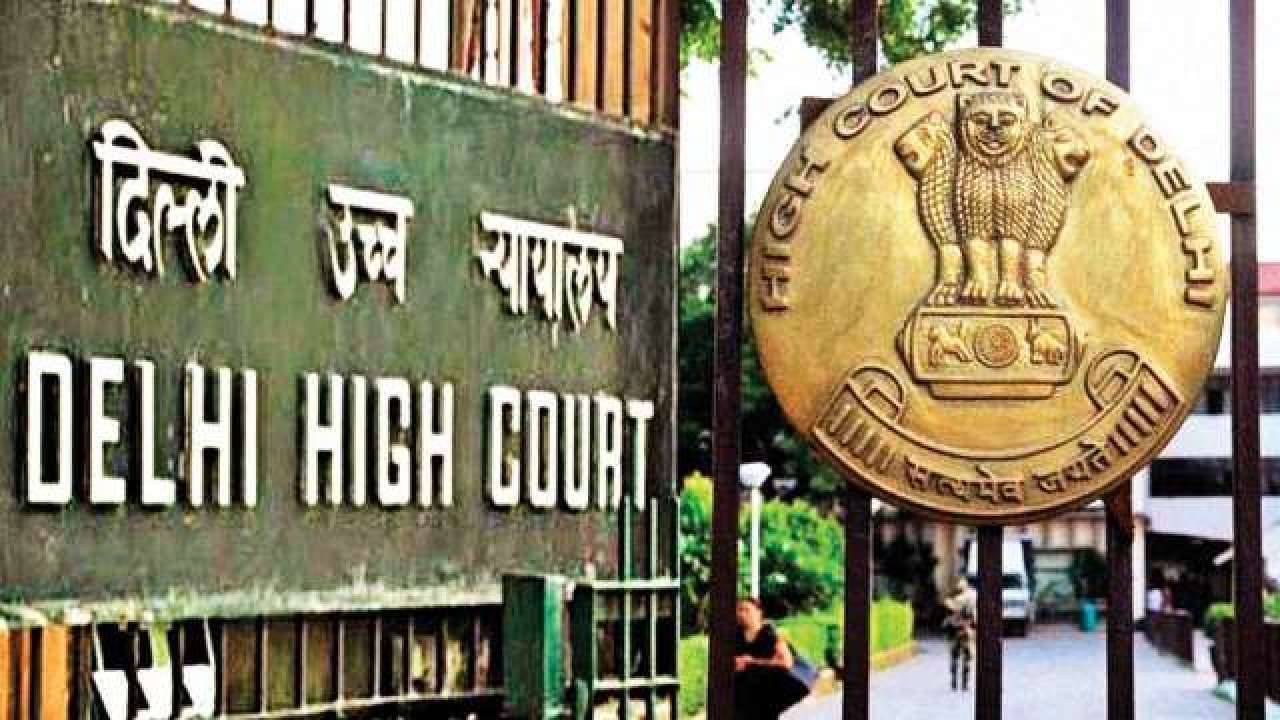
The case, titled Court on Its Own Motion vs Shiv Narayan Sharma & Ors., arose from suo motu contempt proceedings initiated by the High Court. Judicial officers brought to the Court’s attention certain objectionable content circulating online.
The content included:
Interviews with advocates
Banners naming specific judges
Sensational captions implying bias and lack of justice
A Division Bench comprising Justice Navin Chawla and Justice Ravinder Dudeja examined the material and found it deeply problematic.
Court’s Key Observations
The Court made it clear that the content crossed the limits of fair criticism and amounted to scandalising the judiciary.
It observed:
“The intent… is only to scandalise and lower the image of judicial officers… not to generate healthy debate but to bring disrepute to the judicial system.”
The Bench emphasized that:
The material was not bona fide criticism, It was designed to create distrust in the judiciary, It lacked factual verification and responsible discourse, Fair Criticism vs Criminal Contempt
A major takeaway from the judgment is the distinction between legitimate criticism and criminal contempt.
Permissible Criticism:
Constructive and good faith critique
Evidence-based arguments
Discussions on reforms (e.g., recording of court proceedings)
Contemptuous Conduct:
Allegations of bias without proof
Personal attacks on judges
Use of defamatory or sensational language
Statements eroding public trust in justice delivery
The Court clarified that criticism must be responsible and well-founded, especially since judges cannot publicly defend themselves.
Freedom of Speech Is Not Absolute
While acknowledging the importance of free speech in a democracy, the Court reiterated that:- Article 19(1)(a) guarantees freedom of expression. However, it is subject to reasonable restrictions, including contempt of court. The Court held that malicious and reckless statements targeting judges fall outside constitutional protection.
Findings Against the YouTuber
The Court found that the YouTuber:- Made sweeping allegations against judicial officers, Suggested litigants would not receive justice from certain judges, Relied on unverified interviews
Used provocative and misleading presentation Importantly, the Court noted that:- The content was aimed at gaining attention and provoking distrust rather than promoting reform.
Treatment of Advocates Involved
Two advocates who appeared in the videos:
Tendered unconditional apologies
Assured the Court of future restraint
The Court accepted their apologies and discharged them from contempt proceedings, noting their sincerity.
Conclusion
The decision of the Delhi High Court serves as a crucial reminder that freedom of speech cannot be misused to attack the judiciary without basis. While democratic discourse encourages debate on reforms, deliberate attempts to scandalise courts will invite strict legal consequences.
This case stands as an important precedent in defining the limits of online expression, particularly in an era where digital platforms amplify voices both responsible and reckless.
Case Details
Case Title: Court on Its Own Motion vs Shiv Narayan Sharma & Ors.
Court: Delhi High Court
Bench: Justice Navin Chawla & Justice Ravinder Dudeja
Date of Judgment: 21 April 2026