2 May 2026
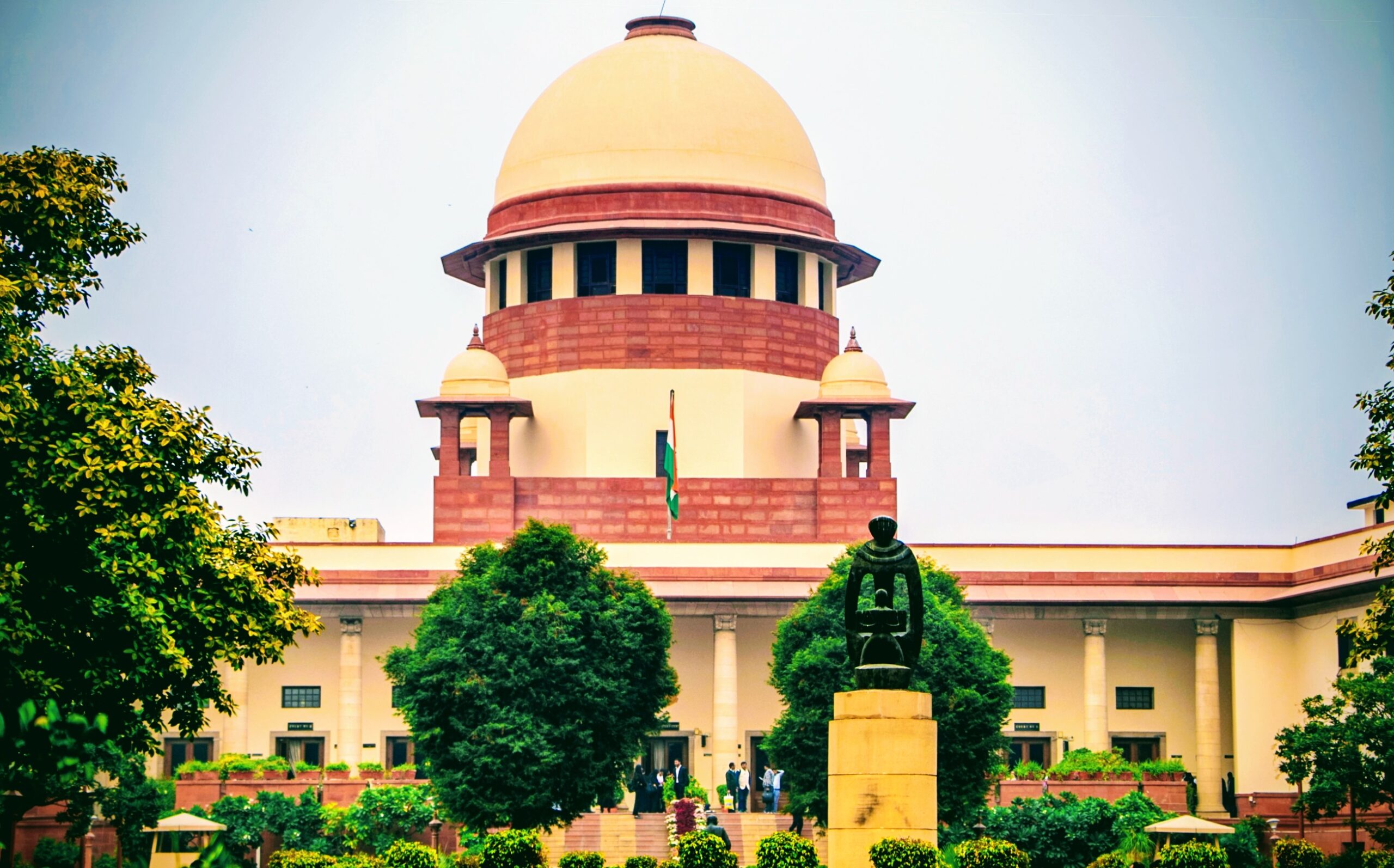
The introduction of Order XIII-A into the Code of Civil Procedure, 1908 through the Commercial Courts Act, 2015 marked a significant evolution in Indian civil litigation by enabling courts to decide commercial disputes without the need for a full-fledged trial in appropriate cases. The provision is designed to promote efficiency, reduce delays, and ensure that judicial time is not wasted on claims or defences that lack any real substance. In a recent judgment, the Supreme Court, speaking through a bench comprising Justice J.K. Maheshwari and Justice Atul S. Chandurkar, reiterated the importance of this procedural mechanism and clarified the scope and manner of its application in commercial suits.
The Court emphasized that summary judgment is not merely an alternative procedural route but a vital tool intended to weed out cases where continuing to trial would serve no meaningful purpose. It held that where a claim or defence is so weak that it discloses no reasonable prospect of success, it is neither necessary nor desirable to subject the parties to the rigours of a full trial. The Court cautioned against permitting litigation to proceed on the basis of speculative, illusory, or fanciful defences, observing that such an approach undermines the very objective of the Commercial Courts Act, which is to ensure speedy and effective adjudication of commercial disputes.
While interpreting Order XIII-A CPC, the Court laid down important guiding principles to be followed by courts while considering applications for summary judgment. It clarified that strict compliance with the procedural requirements under Order XIII-A is essential. The court must assess whether the plaintiff has a real prospect of succeeding on the claim or whether the defendant has a real prospect of successfully defending it, and also determine whether there exists any other compelling reason to allow the matter to proceed to trial. Importantly, the Court observed that while undertaking this assessment, courts are not bound to accept every assertion at face value, yet they must also refrain from conducting a mini trial at the summary stage.
The distinction between a genuine defence and a merely fanciful one was highlighted as crucial. Courts are expected to identify whether the defence raises a real, triable issue or is merely a device to delay proceedings. The judgment further encourages courts to decide short questions of law and issues of interpretation at the summary stage where possible. In doing so, courts may consider not only the material already placed on record but also the evidence that can reasonably be expected to be produced at trial. At the same time, the Court cautioned that the power under Order XIII-A is exceptional in nature and should be exercised only in cases where oral evidence is not required and a full trial would not serve the interests of justice. Where the matter involves weighing evidence, assessing credibility of witnesses, or drawing complex factual inferences, a full trial would still be necessary.
These principles were applied in the case of Reliance Eminent Trading and Commercial Pvt Ltd v. Delhi Development Authority, which arose from a public auction conducted in 2007 by the Delhi Development Authority for a commercial plot in Jasola, New Delhi. The appellant had emerged as the highest bidder and paid a sum exceeding ₹164 crore, following which a conveyance deed was executed in 2008. However, the title to the land subsequently became clouded due to litigation initiated by an erstwhile owner, resulting in a finding that the acquisition had lapsed under Section 24(2) of the Right to Fair Compensation and Transparency in Land Acquisition, Rehabilitation and Resettlement Act, 2013. Despite being granted time, the authority failed to reacquire the land, leaving the purchaser without valid title or possession.
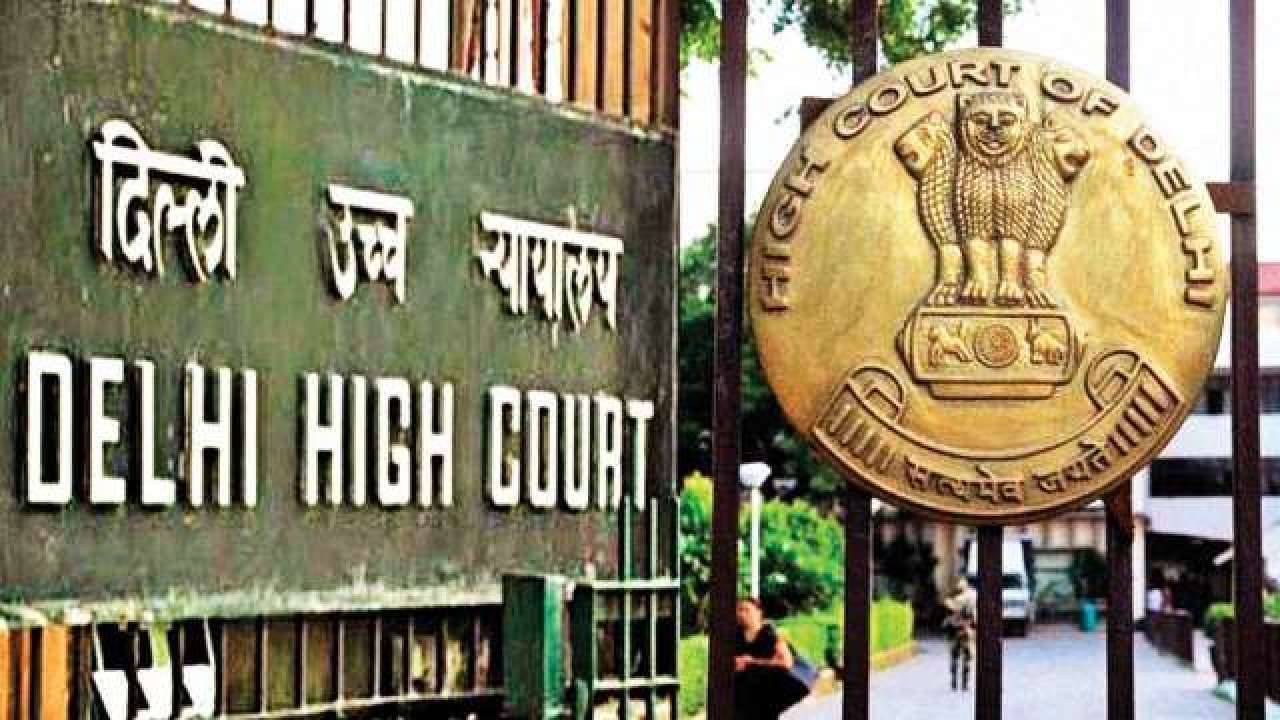
Faced with this situation, the appellant sought a refund of the entire consideration along with interest. The Delhi High Court, however, declined to summarily dispose of the suit under Order XIII-A CPC, prompting the appellant to approach the Supreme Court. Allowing the appeal, the Supreme Court set aside the High Court’s decision and held that the case was eminently suitable for summary disposal. The Court noted that the foundational facts were undisputed, particularly the payment made by the appellant and the failure of the authority to refund the amount. It rejected the respondent’s opposition as an attempt to prolong litigation and reopen settled issues, observing that the defence raised did not present any real prospect of success or any triable issue requiring adjudication through a full trial.
The Court concluded that there was nothing in the dispute that necessitated oral evidence or a detailed trial, and that subjecting the parties to such a process would be contrary to the spirit of Order XIII-A CPC. Accordingly, the appeal was allowed, and the respondent was directed to refund ₹164.91 crore along with interest at the rate of 7.5% per annum from July 12, 2007, within a period of eight weeks.
This judgment reinforces the growing judicial recognition of summary judgment as a powerful mechanism for ensuring efficiency in commercial litigation. It underscores the responsibility of courts to actively scrutinize claims and defences at an early stage and to prevent the misuse of the legal process through untenable pleas. By reaffirming that courts should not hesitate to summarily dispose of cases where no real dispute exists, the Supreme Court has strengthened the framework for expeditious resolution of commercial disputes in India and has sent a clear message against unnecessary prolongation of litigation.
Cause Title:
RELIANCE EMINENT TRADING AND COMMERCIAL PRIVATE LIMITED VERSUS DELHI DEVELOPMENT AUTHORITY
SLP (c) no. 22100 of 2025