Typing error not a defence
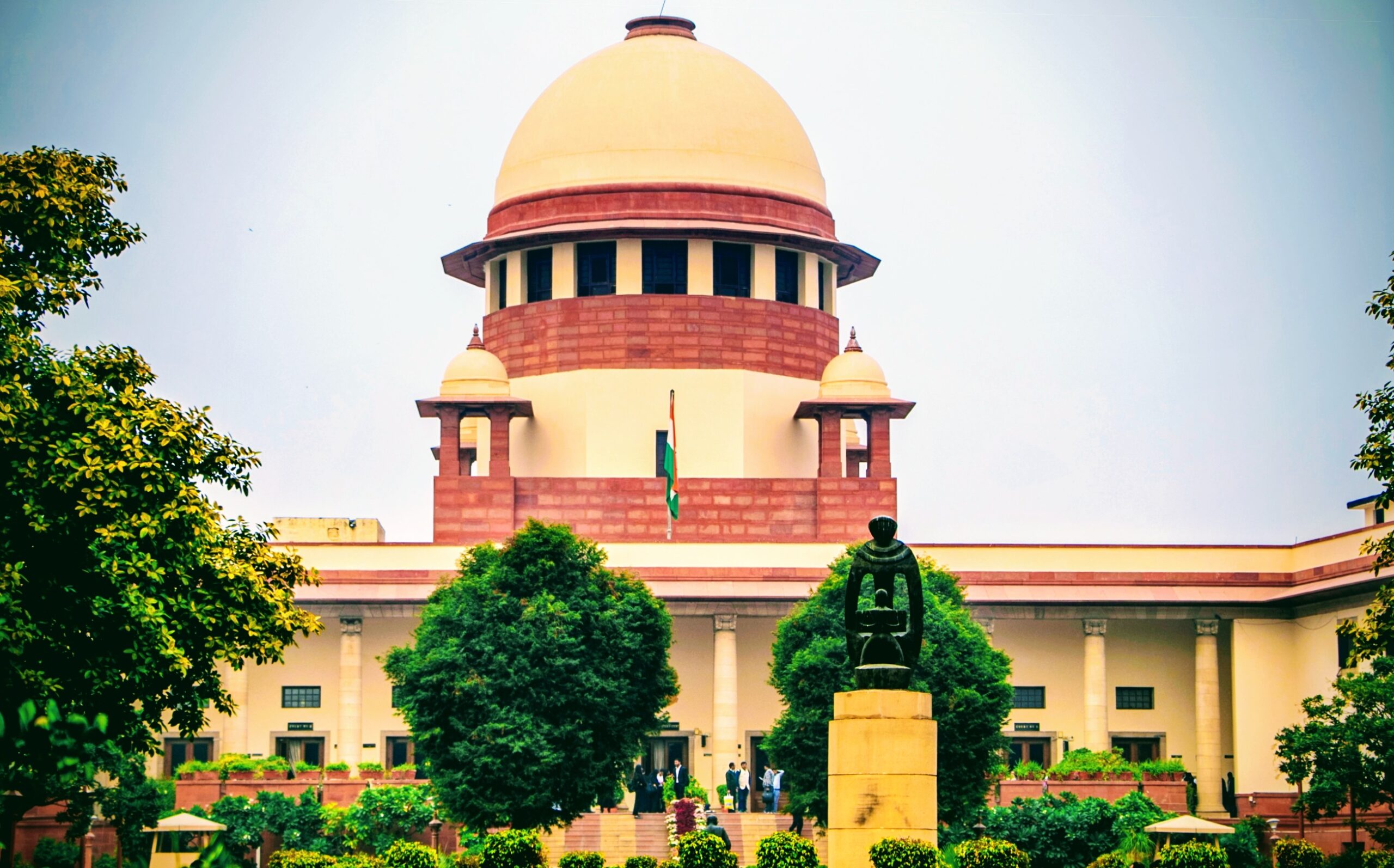
The Supreme Court of India has once again clarified the mandatory requirement under Section 138 of the Negotiable Instruments Act, 1881. The Court held that for a complaint to be maintainable, the statutory demand notice issued to the drawer of the cheque must specifically mention the exact cheque amount. Any variation between the cheque amount and the amount mentioned in the notice would render the notice invalid in law.
Bench and Case Details
Case Title: Kaveri Plastics v. Mahdoom Bawa Bahruden Noorul
Coram: Chief Justice of India B.R. Gavai and Justice N.V. Anjaria
Judgment Authored by: Justice N.V. Anjaria
Appearance of Counsel
For Petitioner(s): Ms. Aditi Pancharia, Mr. Jitendra Pancharia, Mr. Arvind Rathaur, Mr. Rohan Rana, Mr. Sonu Kumar, Mr. Sanjay Kumar (AOR)
For Respondent(s): Mr. Siddharth Khattar, Mr. Kush Chaturvedi (AOR), Mr. D. Andley, Mr. Sanket Kumar, Mr. Syed Faraz Alam, Mr. Atharva Gaur, Mr. Aayushman Aggarwal, Ms. Ayesh Choudhary
Factual Background
The case arose from a cheque issued for ₹1,00,000, which was subsequently dishonoured. The complainant issued a statutory notice of demand; however, the amount mentioned in the notice was ₹2,00,000. Although the cheque number and other details were correctly stated, the discrepancy in the amount became the central issue.
The Delhi High Court had quashed the criminal complaint under Section 138 NI Act, holding that the notice was invalid due to the mismatch in the cheque amount and demand amount. The complainant approached the Supreme Court by way of appeal.
Supreme Court’s Observations
The Court emphasized strict compliance with Proviso (b) to Section 138 NI Act. Key takeaways include:
Exact Mention of Cheque Amount is Mandatory:
The demand in the statutory notice must strictly be for the cheque amount. If the notice states a different figure or omits the cheque amount, it is invalid.
Typographical Errors Not Excusable:
Even an inadvertent or typographical mistake in mentioning the cheque amount cannot be excused. Such an error makes the notice defective in law.
Strict Construction of Penal Provisions:
Since Section 138 creates a penal offence, its conditions must be complied with meticulously. A defective notice fails to satisfy the statutory requirement.
Precedents Relied Upon
The Court referred to and reaffirmed earlier judgments:
1. Suman Sethi v. Ajay K. Churiwal & Anr. (2000) 2 SCC 380 – The demand must be limited to the cheque amount; additional claims like interest or costs must be severable.
2. Rahul Builders v. Arihant Fertilizers & Chemicals & Anr. (2008) 2 SCC 321 – Strict compliance with statutory notice requirements is mandatory.
3. Dashrathbhai Trikambhai Patel v. Hitesh Mahendrabhai Patel & Anr. (2023) 1 SCC 578 – Reiterated the necessity of precision in statutory notices.
Court’s Conclusion
Dismissing the appeal, the Court upheld the Delhi High Court’s order. It ruled that since the notice demanded ₹2,00,000 instead of ₹1,00,000, it was invalid and the complaint was not maintainable.
The Court categorically stated:
“Even if the cheque number is correctly mentioned in the notice, but the cheque amount is wrongly stated, the notice becomes ambiguous and invalid in law. Strict compliance with statutory requirements cannot be diluted.”
Key Takeaway for Practitioners
This judgment serves as a strong reminder that drafting of statutory demand notices under Section 138 NI Act requires utmost precision. Any error in mentioning the cheque amount even typographicalcan defeat the entire complaint.
Conclusion
The ruling in Kaveri Plastics v. Mahdoom Bawa Bahruden Noorul reinforces the principle that criminal liability under Section 138 NI Act cannot arise unless the complainant scrupulously adheres to statutory requirements. For practitioners, this decision underlines the importance of accuracy and diligence in issuing demand notices.
Keywords
Supreme court of India, 138 NI act, legal notice in check bounce case, Complainant for check bounce and legal procedure to follow.
Read our other articles on different courts judgments visit our home page
This article cover the legal procedure for filing check bounce case and how legal notice is to filed in the case of check bounce case, if amount varies in notice and check it will effect the complainant and his complaint may be cancelled on the mere this fact only. further you can read here important judgements and legal principles laid down by Hon’ble supreme court of India, this article is posted by Advocate Shivaji Rathore (J&K high court jammu) for more important legal topics stay connected with us, on tacit legal we post on YouTube channel also named as Tacit Legal helpful for Law students newely enrolled Advocate in India and other states, Follow us on Instagram also, Read our articles on important Questions of Law. #tacitlegal visit my website Tacit Legal dot in search on google, this website is made from Hostinger and wordpress follow our latest updates for legal news follow us on YouTube also for young lawyers law students helpful for Advocates, this blog is written by Advocate Shivaji Rathore practicing in Jammu and Kashmir high court and district court at Jammu.
If you have any query about this blog you can contact admin advocate Shivaji Rathore jammu kashmir #tacit legal,