Section 482 of CrPC
Case Title
Pradeep Kumar Kesarwani v. State of Uttar Pradesh & Anr.
Criminal Appeal No. 3831 of 2025 (arising out of SLP (Crl.) No. 11642/2019)
Date of Judgment: 02 September 2025
Coram: Hon’ble Justice J.B. Pardiwala and Hon’ble Justice Sandeep Mehta
Background of the Case
The appellant, Pradeep Kumar Kesarwani, challenged the summoning order issued by the Additional Chief Judicial Magistrate, Allahabad, in a complaint case alleging offences under Sections 323, 376, 452, 504, 377, 120B of the IPC and Section 3(1)(10) of the SC/ST (Prevention of Atrocities) Act, 1989.
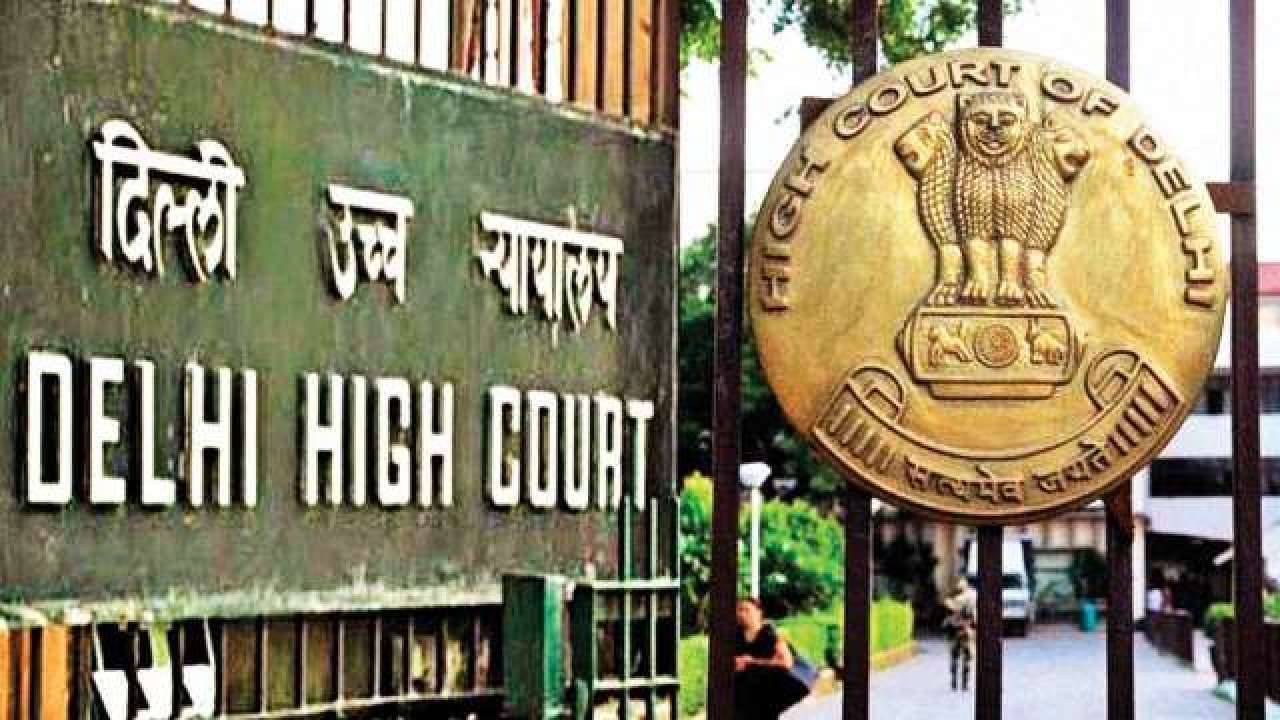
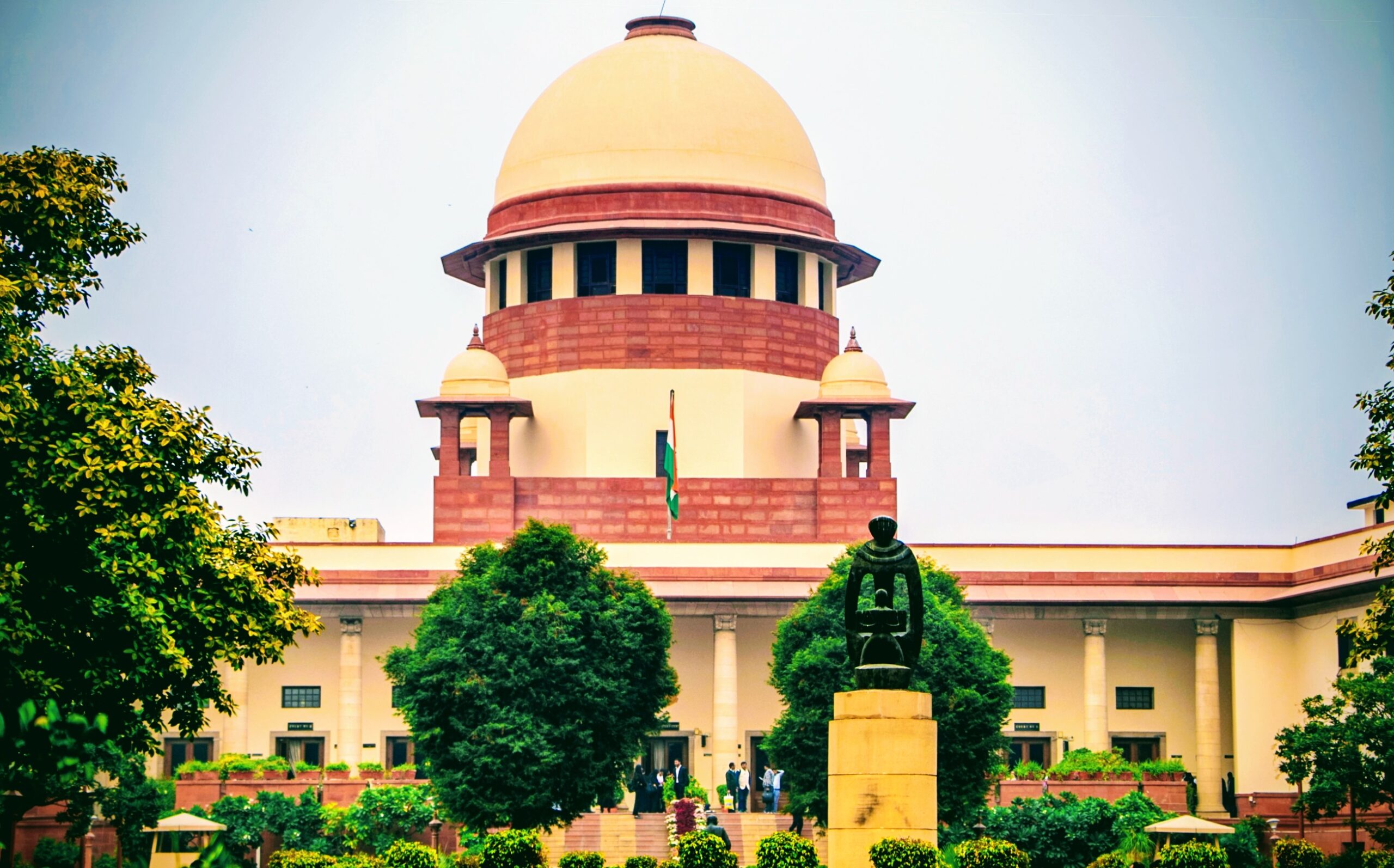
The High Court of Allahabad had earlier rejected the appellant’s application under Section 482 Cr.P.C., seeking quashing of the criminal proceedings. Aggrieved, the appellant approached the Supreme Court.
Key Issues Before the Court
1. Whether the summoning order was valid when the complaint appeared frivolous, vague, and lacking material particulars.
2. Whether a four-year delay in filing the complaint without explanation weakened the credibility of allegations.
3. Whether the continuation of such proceedings would amount to abuse of process of law.
Observations of the Supreme Court
The Court noted several crucial aspects:
The complaint failed to disclose specific dates, places, or material particulars of the alleged offences.Multiple offences were alleged not only against the appellant but also his parents, raising doubts about credibility.
Delay of four years in lodging the complaint was unexplained. No independent corroboration or supporting evidence was produced. The Court stressed that summoning on the basis of frivolous or vexatious complaints can seriously damage the reputation of an accused.
Principles Laid Down for Quashment of Criminal Cases
The Supreme Court reiterated and refined the principles for exercising powers under Section 482 Cr.P.C. and Article 226 of the Constitution:
Step One:
Whether the material relied upon by the accused is sound, reasonable, and of sterling quality—i.e., unimpeachable and beyond suspicion.
Step Two:
Whether such material, if accepted, would completely negate the factual assertions made in the complaint or charge sheet and render the accusations false or groundless.
Step Three:
Whether the material relied upon by the accused has not been refuted by the complainant/prosecution, or is of such nature that it cannot be justifiably refuted.
Step Four:
Whether continuing with the criminal proceedings would amount to an abuse of the process of court and whether quashing would serve the ends of justice.
The Court relied upon Rajiv Thapar v. Madan Lal Kapoor (2013) and Mohammad Wajid v. State of U.P. (2023) to emphasize that frivolous complaints cannot be allowed to proceed.
The Court also highlighted the difference between rape and consensual sex, especially in cases involving a false promise of marriage. Citing Deepak Gulati v. State of Haryana (2013), the Court clarified that:
Mere breach of promise to marry is not rape. Only if the accused never intended to marry from the very beginning, the case may fall under deception and rape.
Decision
The Supreme Court allowed the appeal and quashed the criminal proceedings pending before the Magistrate. It held that continuation of such proceedings would be a gross abuse of process of law.
Key Takeaways
Courts must carefully scrutinize complaints to ensure they are not frivolous or motivated by vengeance.
Delay in lodging complaints without justification weakens the prosecution case.
Section 482 Cr.P.C. empowers High Courts to prevent misuse of criminal law.
A clear distinction exists between consensual relationships and rape based on false promise of marriage.
Conclusion
This landmark ruling strengthens the jurisprudence on quashment of criminal proceedings. The Supreme Court has once again emphasized that while genuine victims must be protected, the criminal justice system cannot be misused as a tool for harassment.